Are you starting to learn the Serbian nominative and accusative cases? Seven cases, three genders, different endings, singular and plural forms. Do you feel like a child with so many puzzle pieces? Not sure where to start? Don’t worry. I will guide you every step of the way.
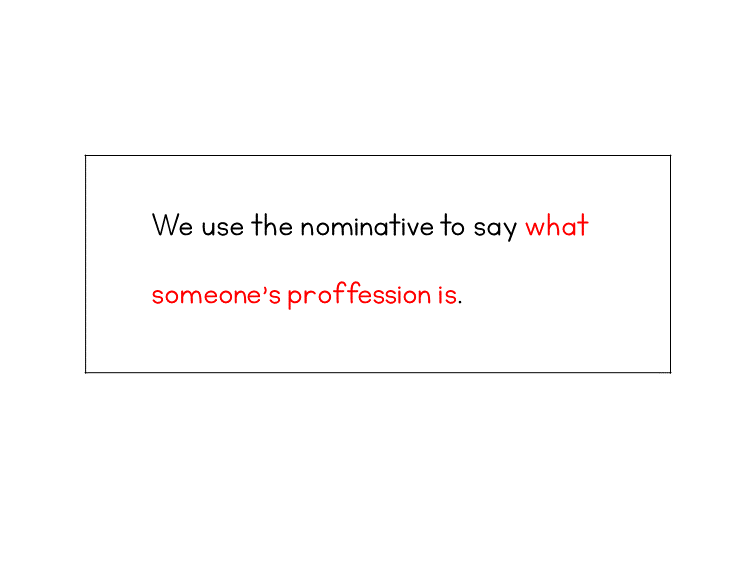
Nominative Case Usage
Time to introduce the first puzzle piece: the nominative case. Are you ready? Let’s dive in.
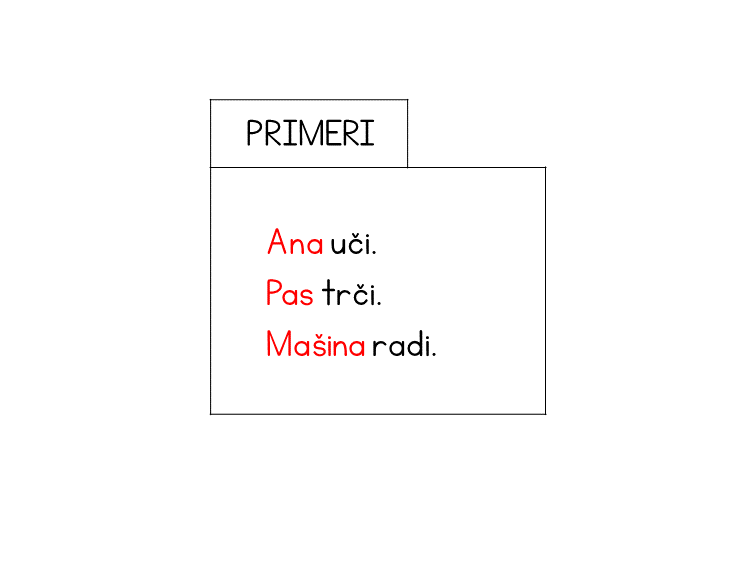
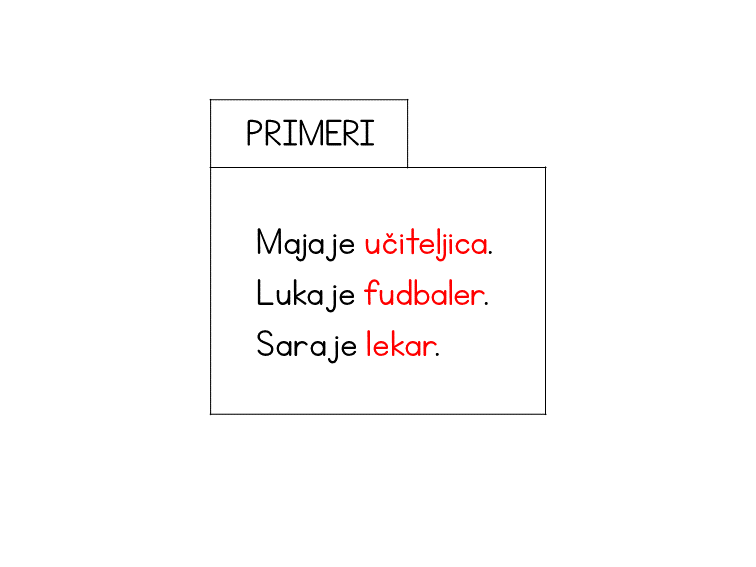
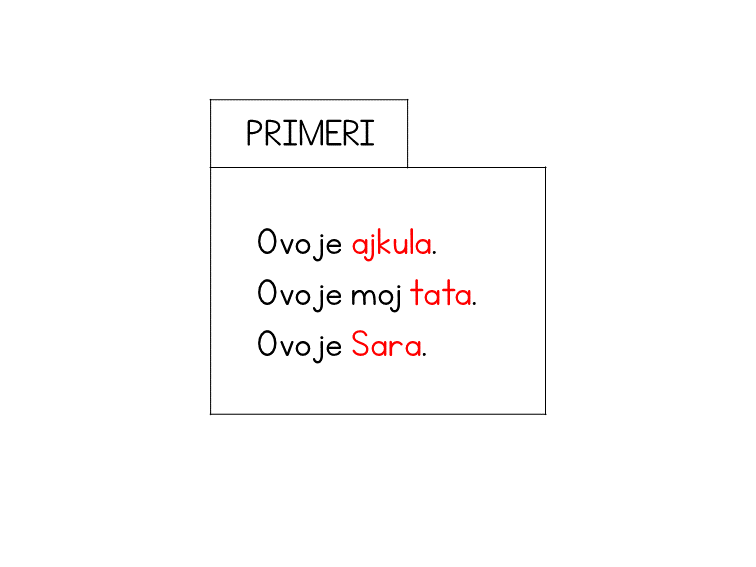
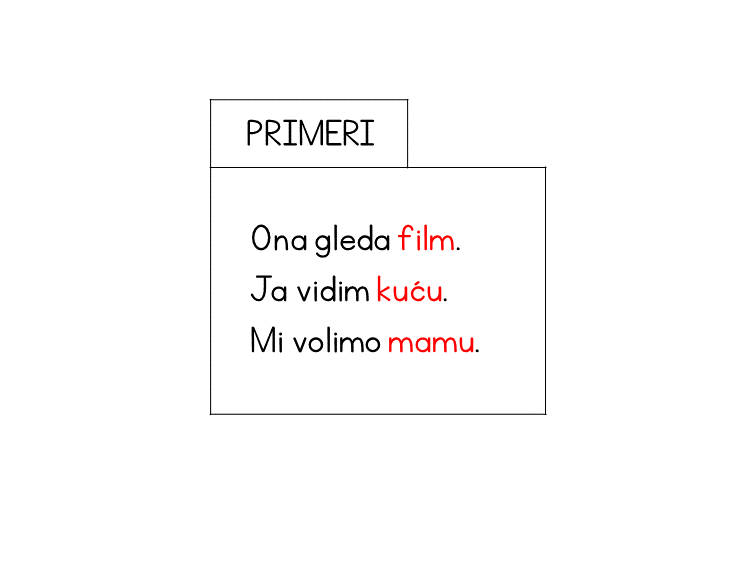
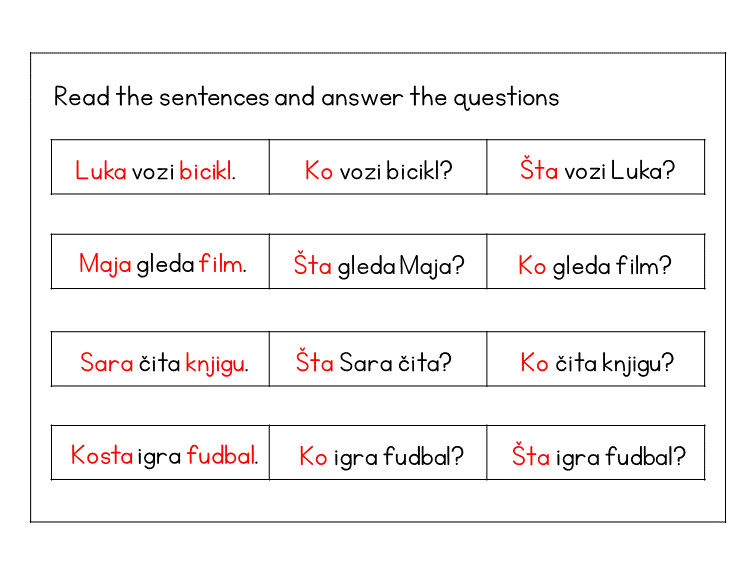
Let’s go through some examples together. Please note that nouns in red are in the nominative.
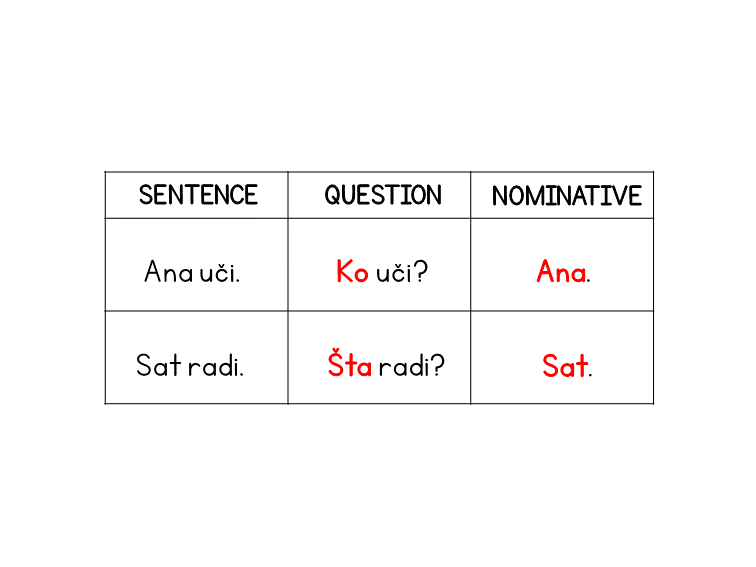
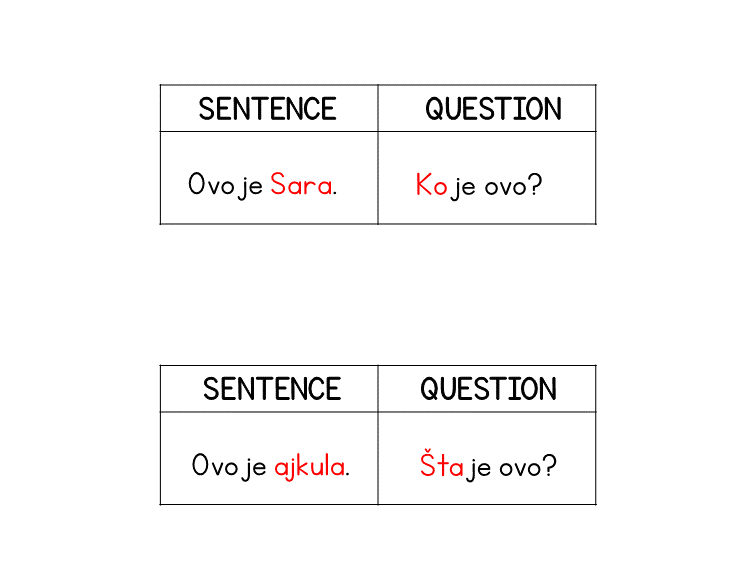
Now, let’s check out the table below:
Read the sentence (Ana uči.)
Read the question and pay attention to the question word. (Ko uči?)
Identify the nominative (Ana.)
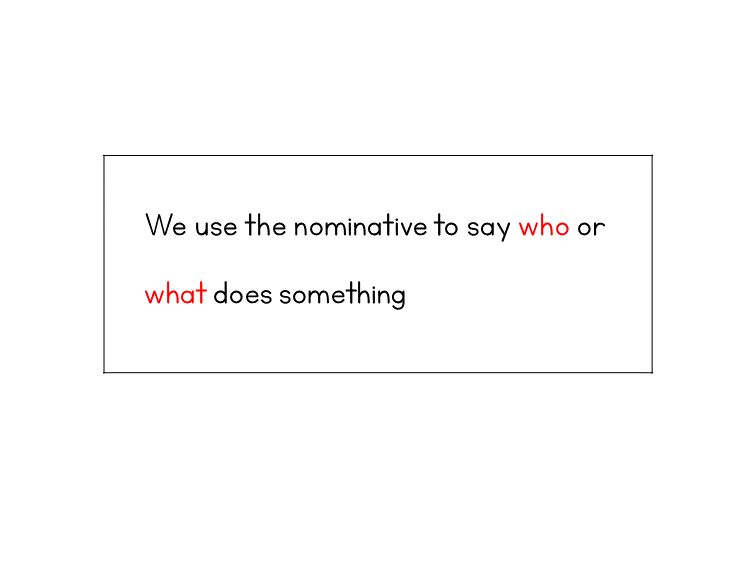
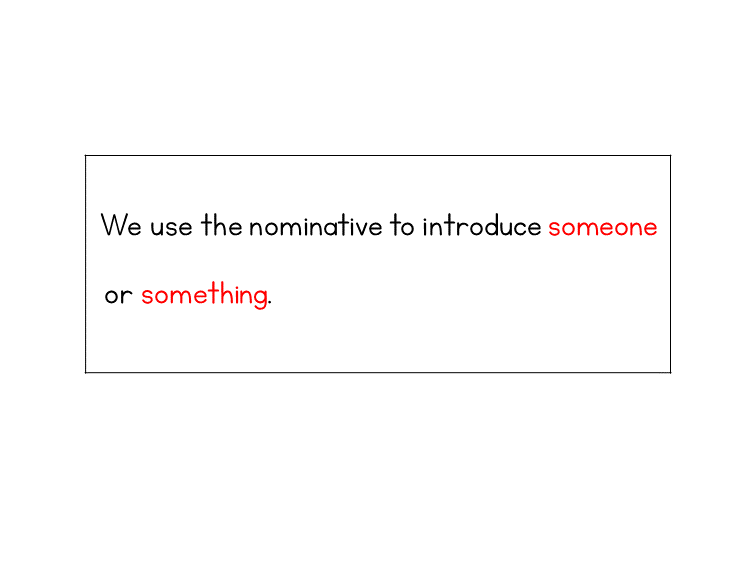
Here is one more way to use the nominative:
What is the best way to memorize the rules? The answer is simple: examples!
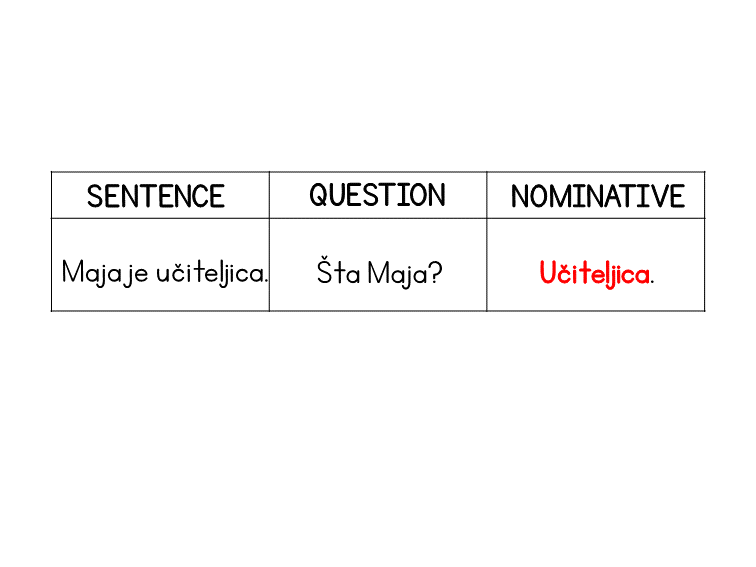
You’ve read the rules and examples but still feel confused? Don’t worry! Take a look at the table below.
Read the sentence (Maja je učiteljica.)
Read the question and pay attention to the question word. (Šta je Maja?)
Identify the nominative (Učiteljica.)
We can all learn the rules. Piece of cake! The tricky part is knowing how to apply them. I’ve got some great news! Just follow the 4 steps:
Memorize the rules
Read the examples
Identify the rules in words/sentences
And finally, practice, practice, practice
Let’s introduce one more way we can use the nominative:
STEP 1
STEP 2
STEP 3
STEP 4
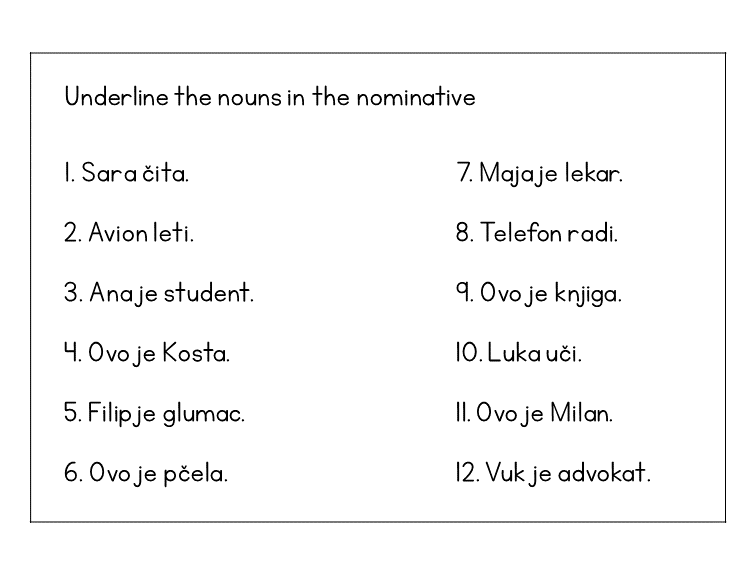
Let’s check what you’ve learned so far. Take a few minutes to review the rules, or grab a pen and a notebook and take notes as you read the post. It’s time to practice.
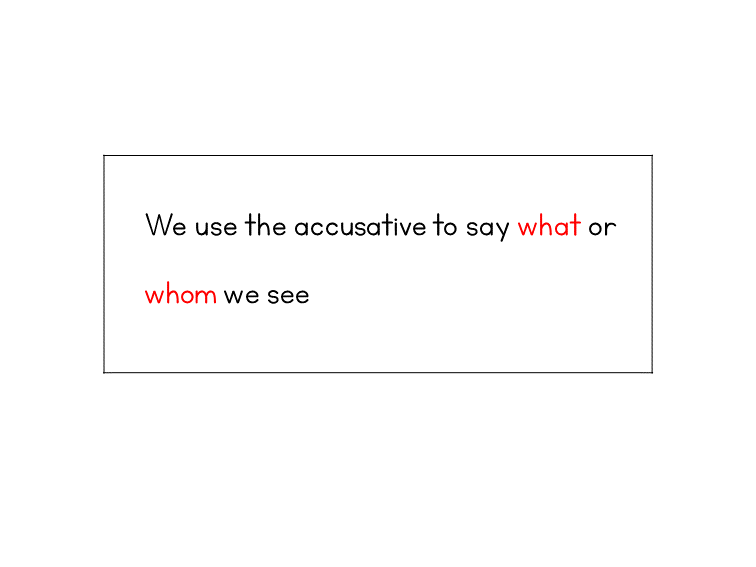
I present to you the next puzzle piece, the accusative case. Most students find learning the Serbian accusative case challenging, but it’ doesn’t have to be. Today I’ll share with you a few quick tips to help you learn the Serbian cases without being overwhelmed.
TIP 1: Learn step-by-step – don’t try to learn everything at once: singular and plural form, masculine, feminine, neuter gender, exceptions.
TIP 2: Learn the rules and patterns.
TIP 3: Identify the rules and patterns in examples.
Accusative Case Usage
We’ve covered the rules. What comes next? Examples!
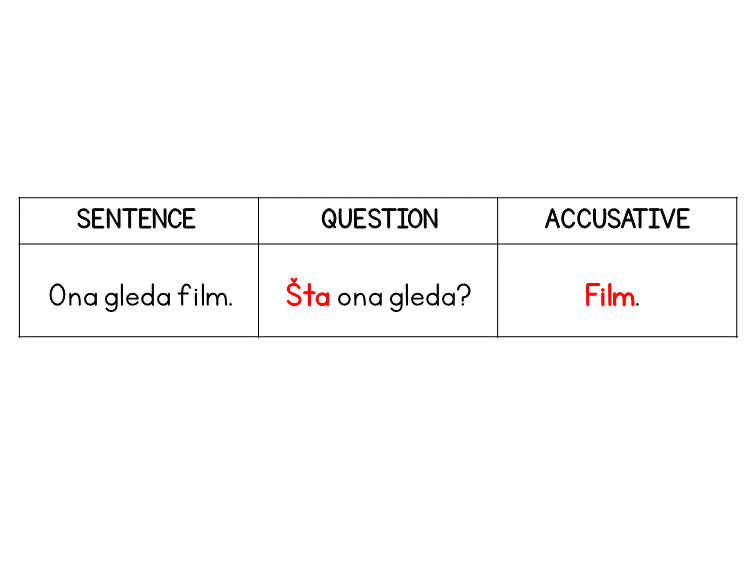
Now, let’s take a look this sentence. (Ona gleda film.)
Read the question.(Šta ona gleda?)
And the answer is…?
You’re right. Film.
Is that nominative or accusative? You’re right again. It’s accusative.
You’re doing great. Just keep going and soon all the puzzle pieces will fit perfectly.
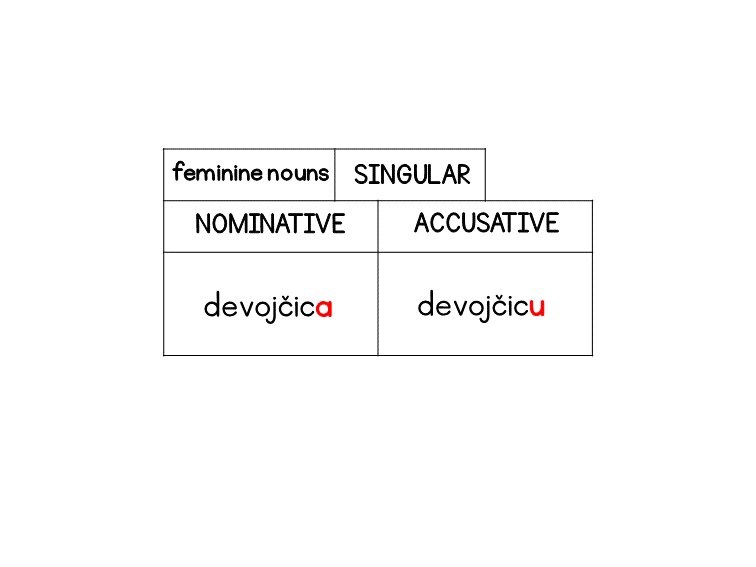
Feminine Nouns Accusative Case
Serbian nouns have three genders: feminine, masculine, and neuter.
Rules, patterns, genders… I know it feels like a lot. Don’t stress about it! Let’s start with feminine nouns.
Now it’s a good time to apply the 4 tips we mentioned earlier.
Tip 1: Learn step-by-step
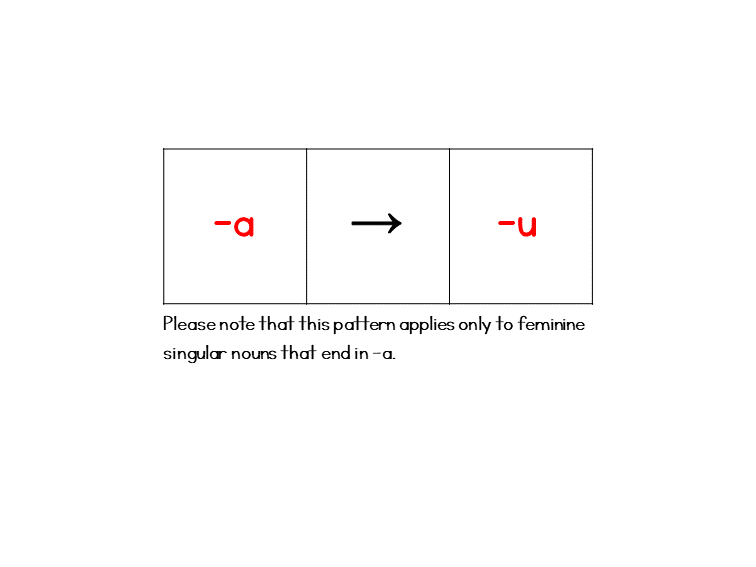
Tip 2: Check out the table below and identify the pattern. Grab a piece of paper and write down the pattern.
Now, let’s check if your patterns matches the one below:
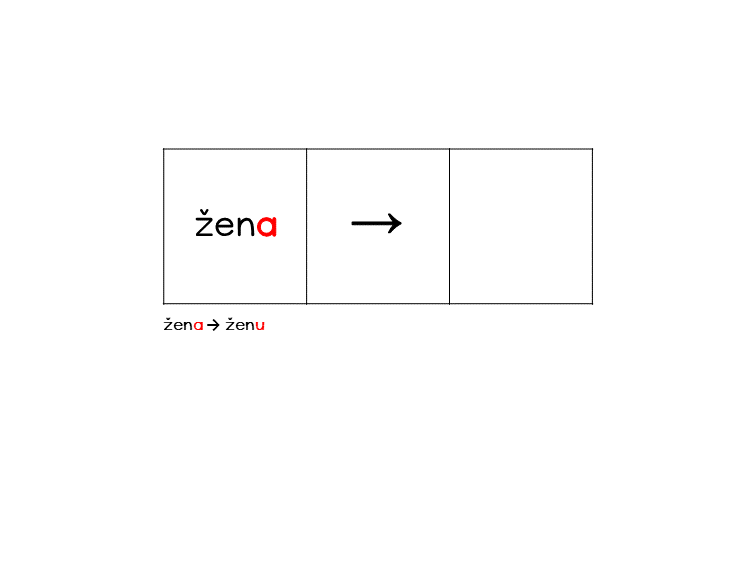
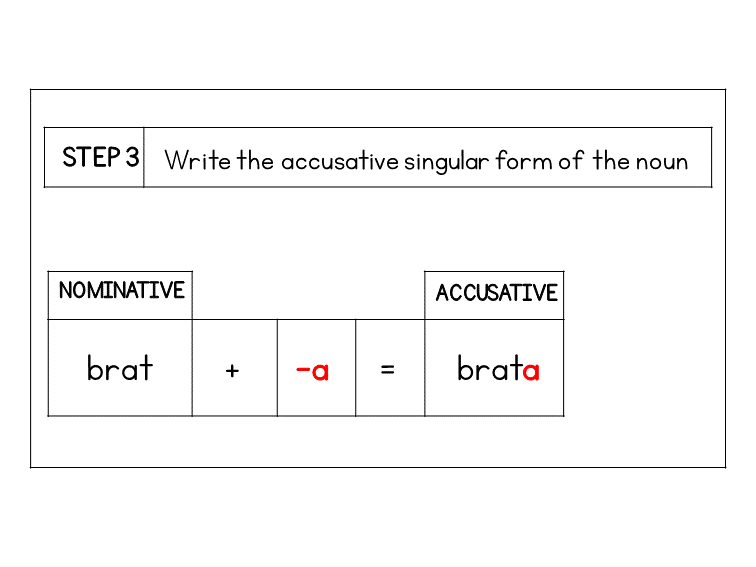
Tip 3: Put the noun in singular accusative case
The Accusative case doesn’t sound tricky any more?
Step by step, all the puzzle pieces will slowly come into place!
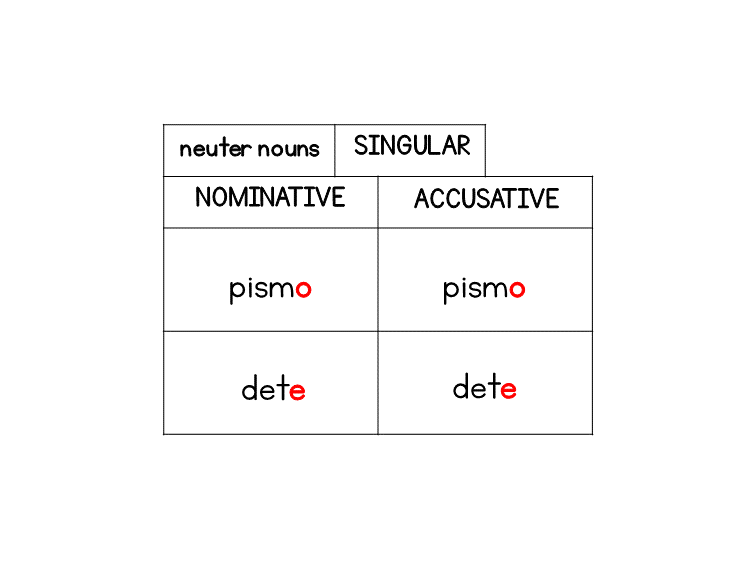
Neuter Nouns Accusative Case
I’ve got some great news! Are you ready? Just take a look at the table below.
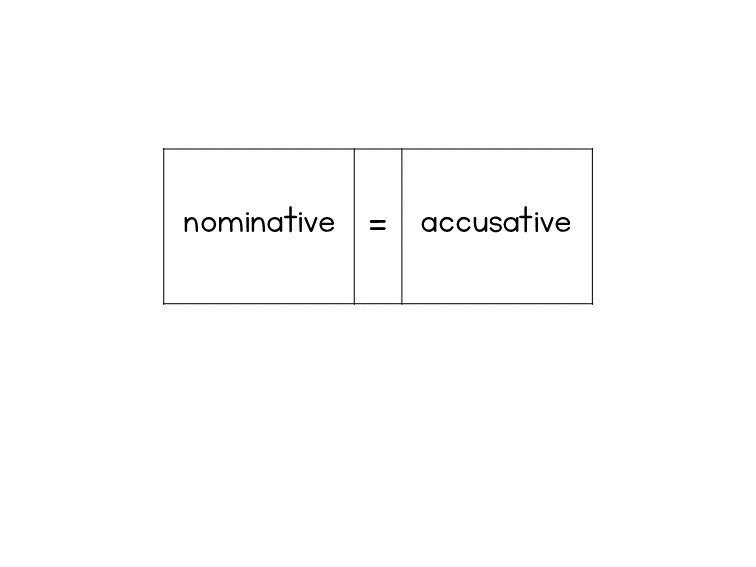
What do you notice? There is no change. Neuter singular nouns have the same form in the nominative and accusative cases.
Masculine Nouns Accusative Case
This is where it becomes tricky again. But don’t worry. Take a deep breath, and let’s do this step by step, puzzle piece by puzzle piece.
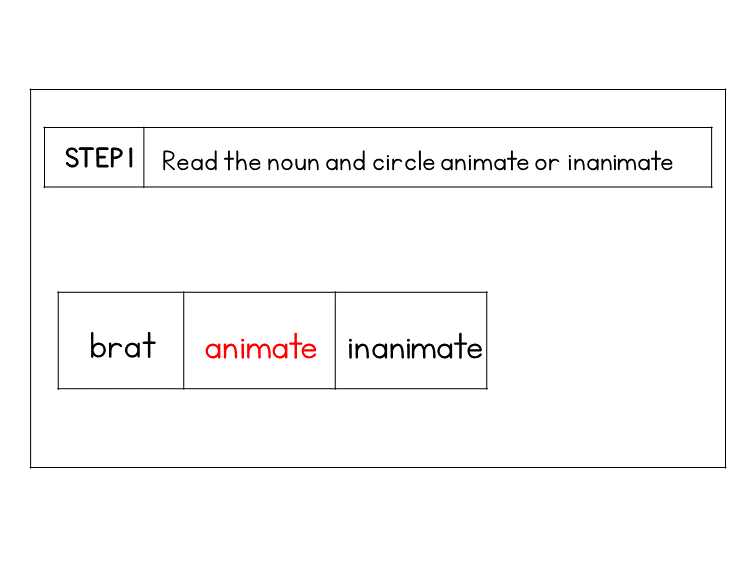
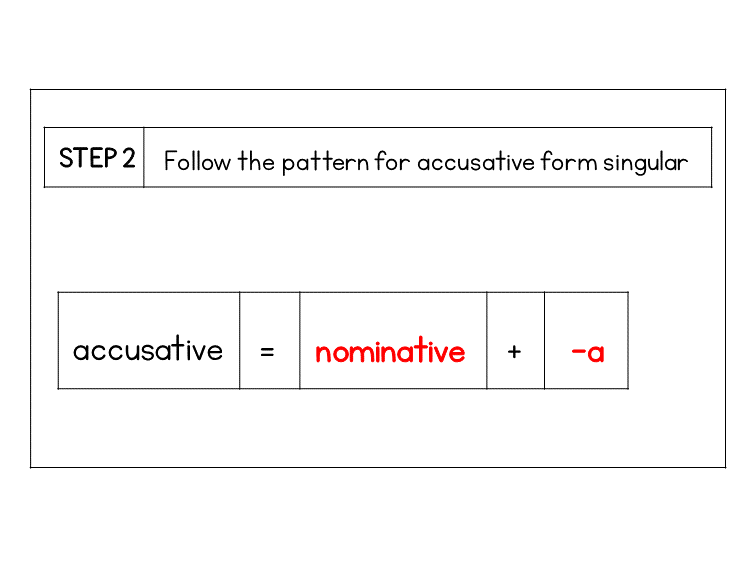
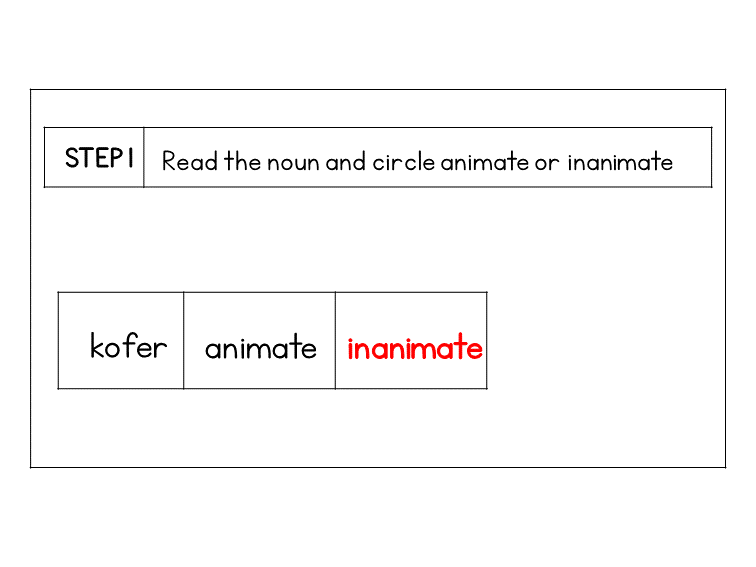
Pay attention to STEP 1. This step is super important. If you can identify animate and inanimate nouns, you’ll learn the masculine accusative form in no time.
Here is one more example:
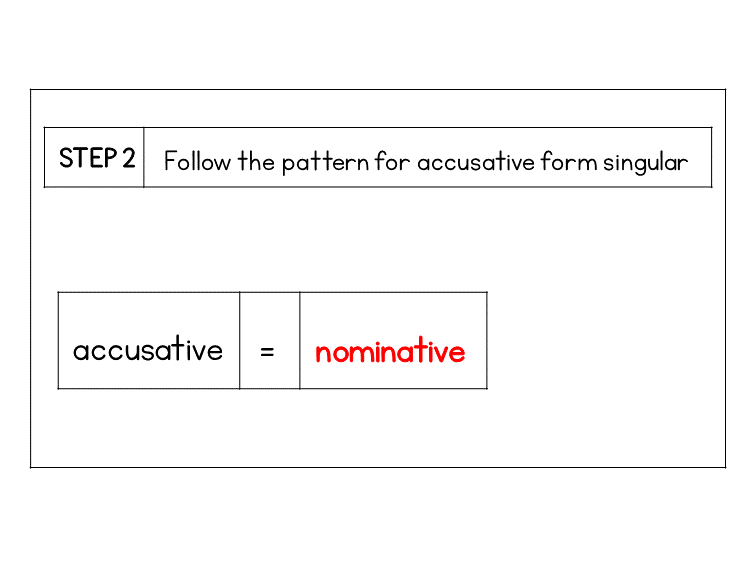
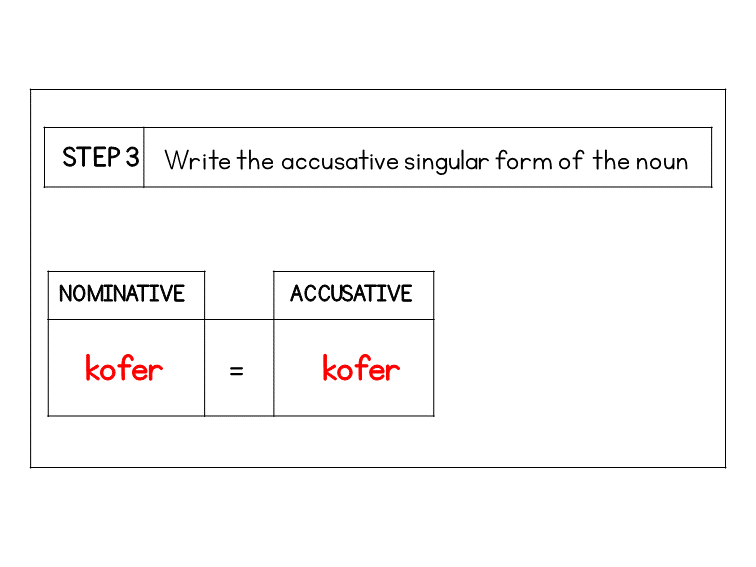
Noun kofer is inanimate. And here’s the good news! Inanimate masculine nouns don’t change in the accusative case.
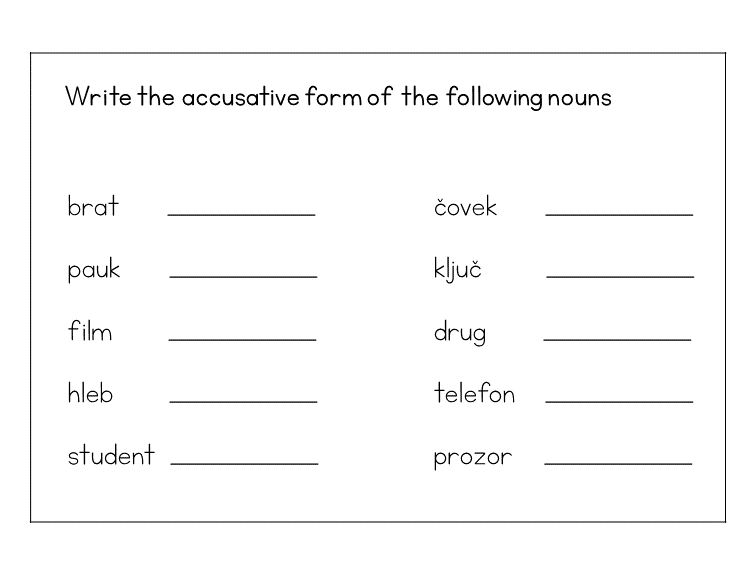
What is the best way to master the grammar of any language? It’s simple! Practice, practice, practice! Take a minute to revise the steps for both animate and inanimate nouns and do the following exercise.
QUICK TIP: Grab a pen a notebook and write down the tips, steps, patterns and don’t forget the examples.
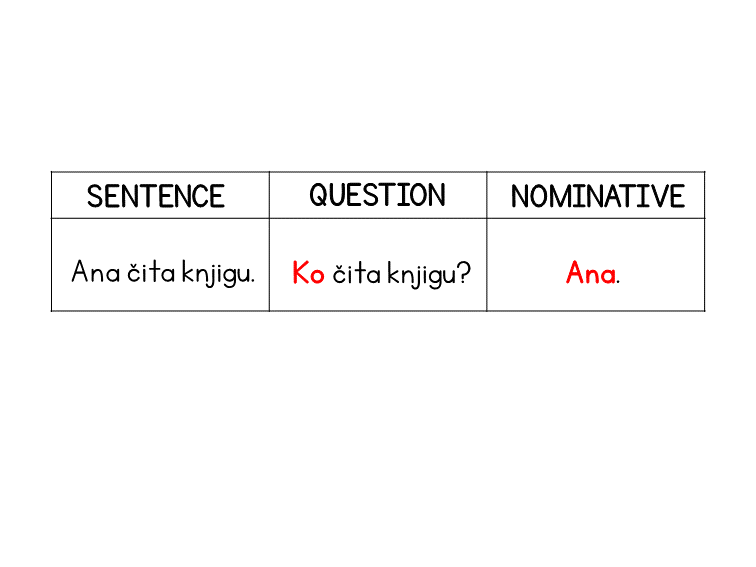
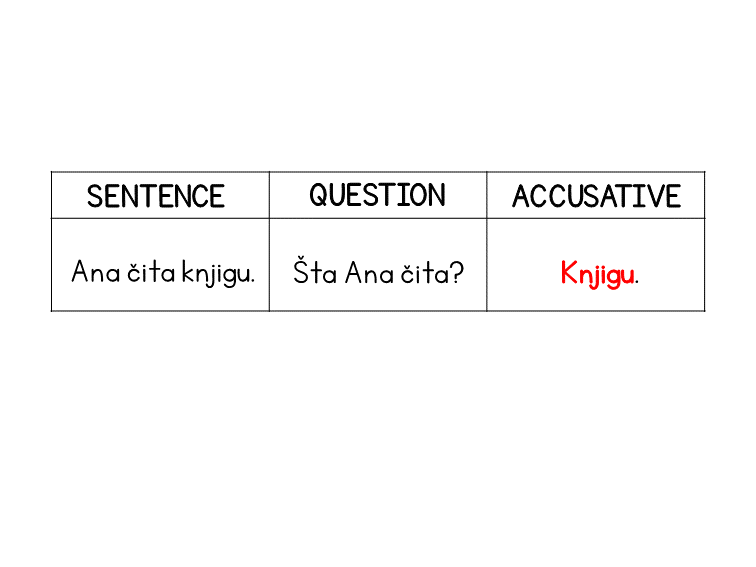
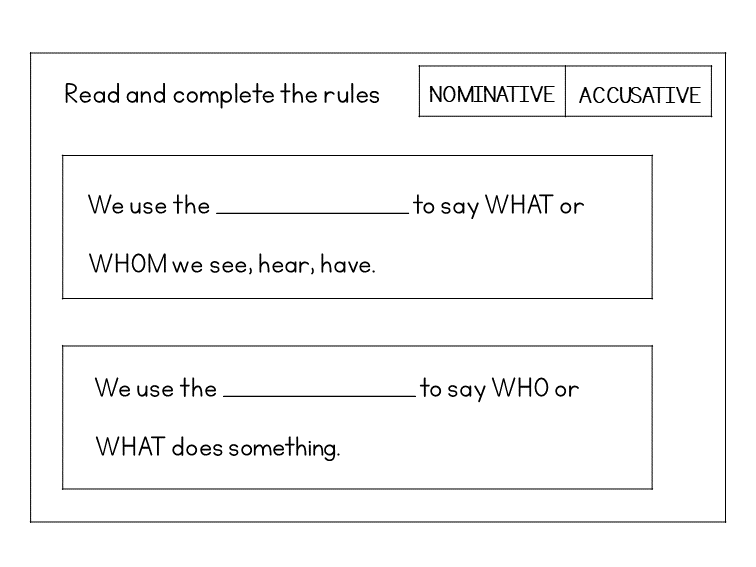
How to identify accusative and nominative?
Take a look at the first table. Ana čita knjigu. Ko čita knjigu? Ana. What do you notice?Look at the question word ( Ko?) and the answer (Ana). Can you identify the nominative? That’s correct! Ana.
Now let’s go through the second table. Ana čita knjigu? Šta Ana čita? Knjigu. Can you identify the accusative? You’re right again! Knjigu.
In my last blog post, we made the present-tense cake, and today, as I promised, we will add the icing and a cherry on top. Are you ready? Let’s dive in. First, let’s do a Serbian present tense practice and revision:
Singular endings
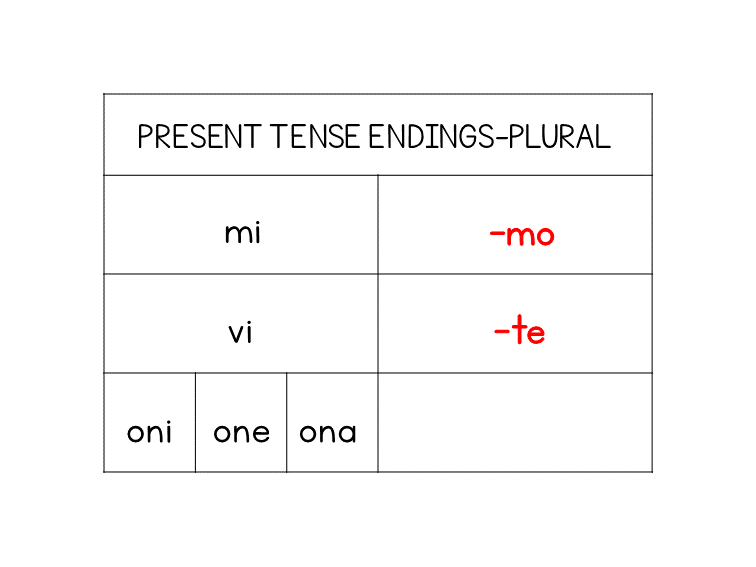
Plural endings
Present stem and verb groups
Third person plural endings
Serbian Present Tense Practice: Present Stem
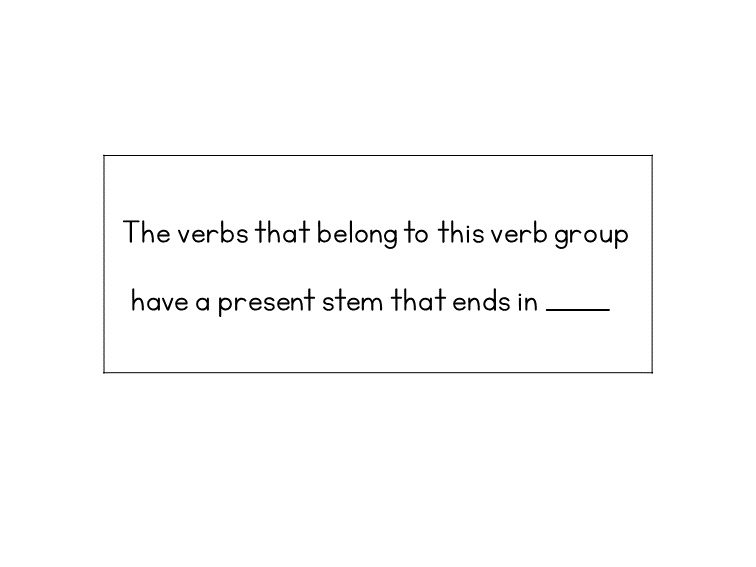
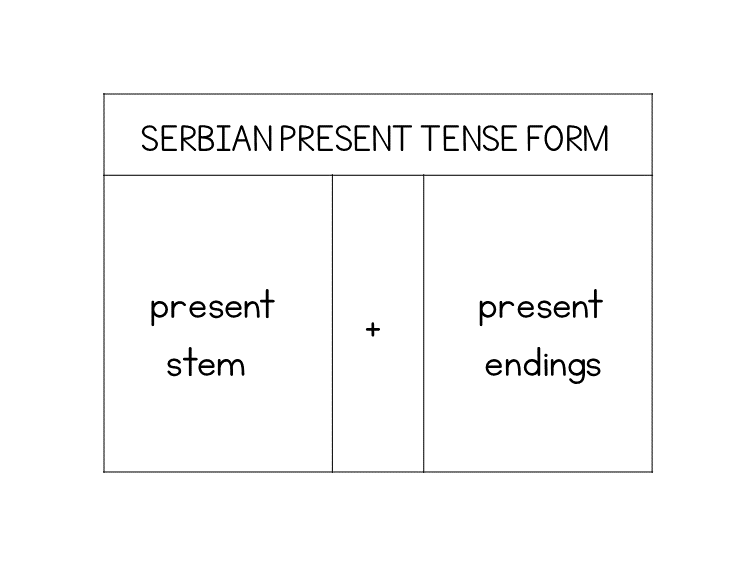
Let’s start with the present stem. Look at the image below and complete the rule.
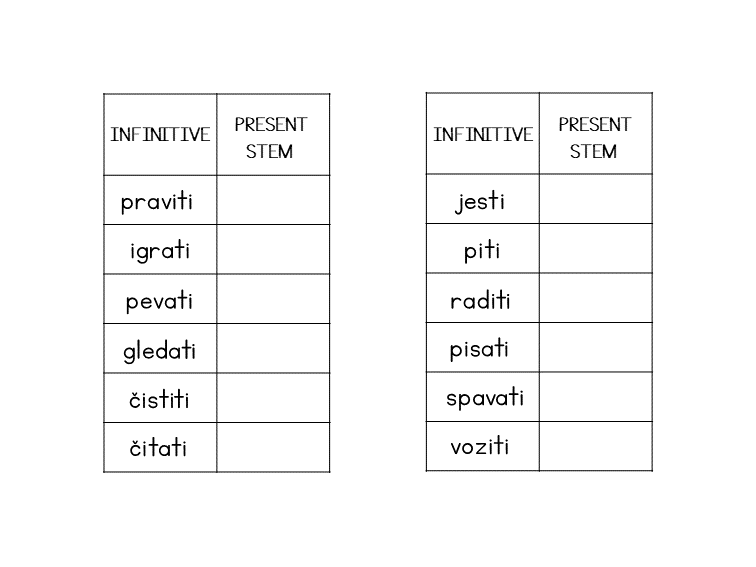
As I mentioned in a previous blog post, there is a way to skip this rule and learn the present stems. If you haven’t already copied the list of the most common verbs and their stems, I encourage you to do so.
Singular Endings
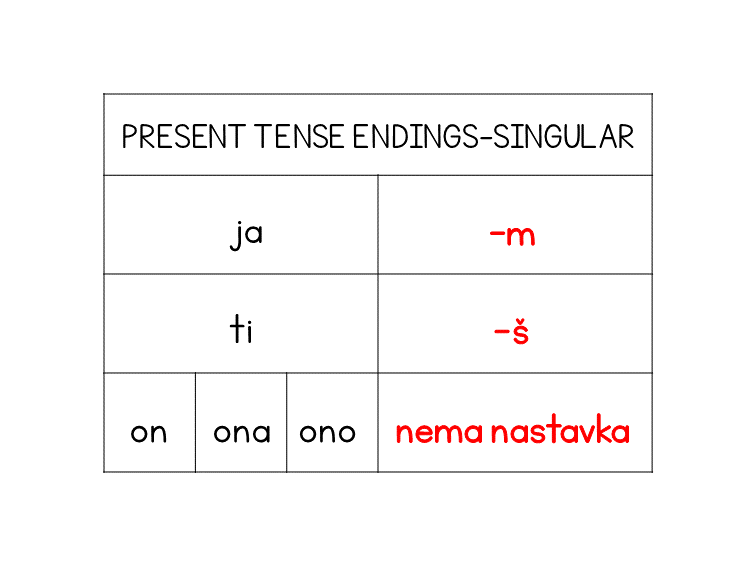
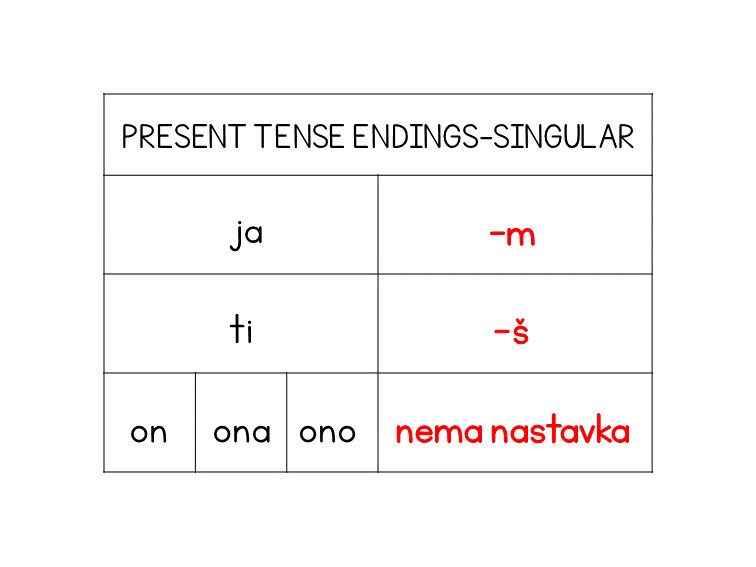
After the present stem, it’s time for the next piece of the puzzle, singular endings. Check out the image below, and let’s go through the endings together.
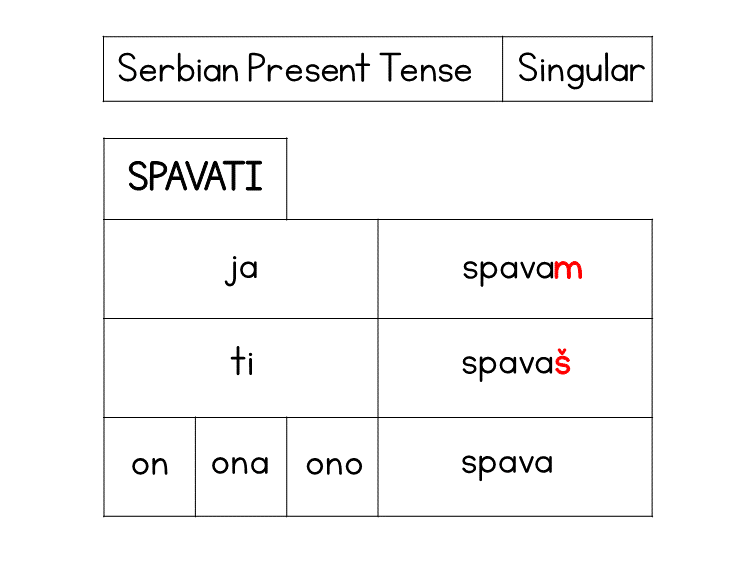
We use -m for ja, -š for ti, and for on/ona/ono there is no ending.
Why is it important to learn the verb groups? Well, which ending we add in 3rd person plural depends on the verb group. Don’t worry. I will explain this step-by-step.
First, let’s take a look at the verb groups.
Step 1
So far, so good!
Step 3
Step 3
Let’s revise third person singular ( -e group and i-group)
See, we are almost there.
Challenge 3
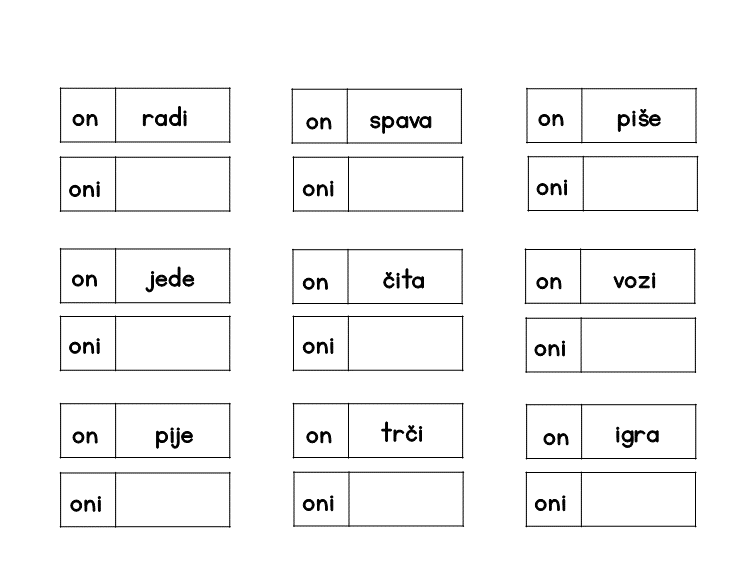
Read the pronoun on and the verb in third person singular
Read the pronoun oni and fill in the correct form of the verb in present tense
Answer key: oni rade, oni spavaju, oni pišu, oni jedu, oni čitaju, oni voze, oni piju, oni trče, oni igraju
Challenge 4
Let’s move on to the next challenge.
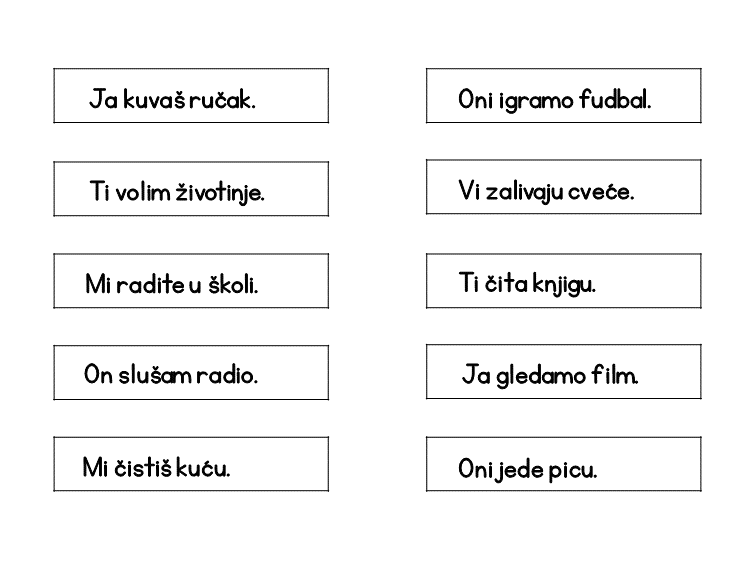
Read and correct the sentences
Answer key: 1. Ja kuvam ručak. 2. Oni igraju fudbal 3.Ti voliš životinje. 4.Vi zalivate cveće. 5. Mi radimo u školi. 6. Ti čitaš knjigu. 7. On sluša radio. 8.Ja gledam seriju 9. Mi čistimo kuću. Oni jedu picu.
Challenge 5
Here comes the last challenge. Use the phrases below to write sentences and record what you are doing every day.
If you are joining us for the first time here are all the previous lessons in one place.
You’ve learned the rules, but now it’s time to put them into practice. If you’d like more guided practice, I invite you to check out Serbian Present Tense Set
Congratulations! You’ve made the Serbian present tense cake. Now, it’s time to enjoy the slice.
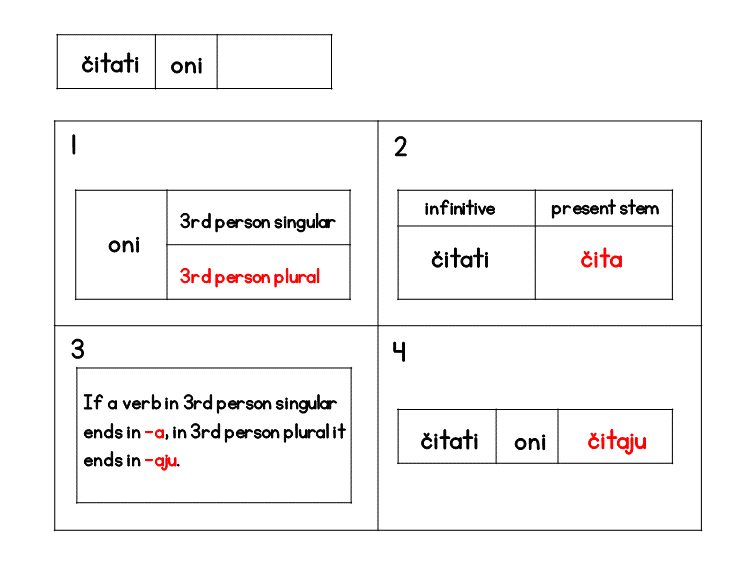
Today, we will add one really important ingredient to our present tense cake batter: third person plural endings. But before we start with today’s topic, let’s review what we have learned about the verb groups in the previous blog post.
As I already mentioned, verb groups are super important. Why? You will discover soon. Just stay tuned.
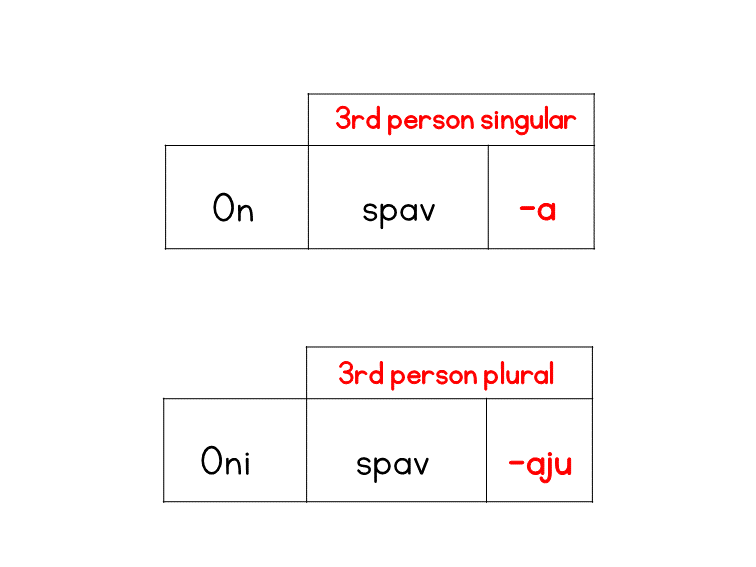
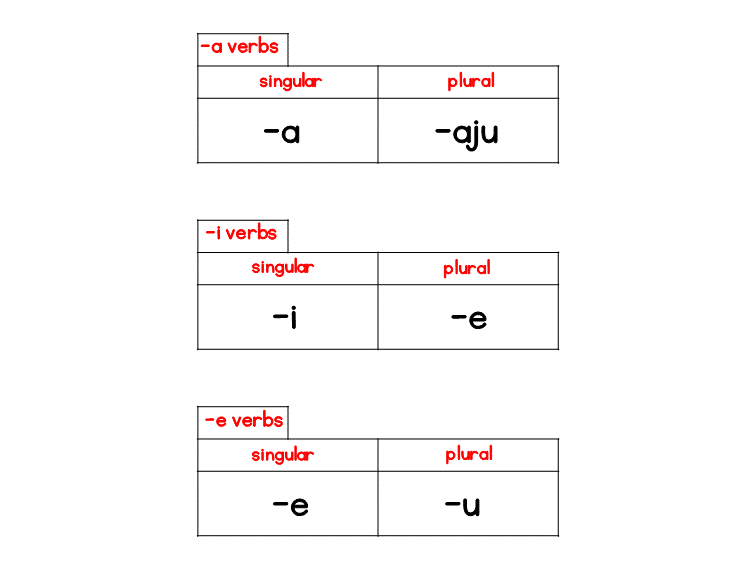
Verb group 1 (-a verbs)
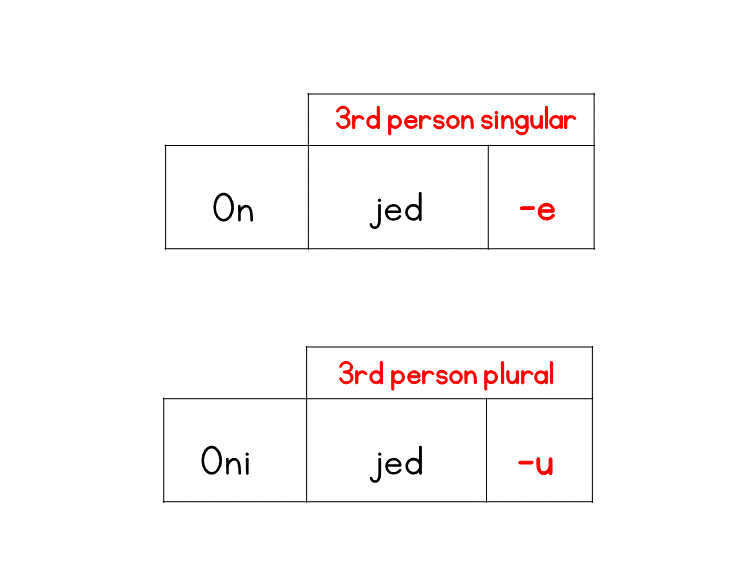
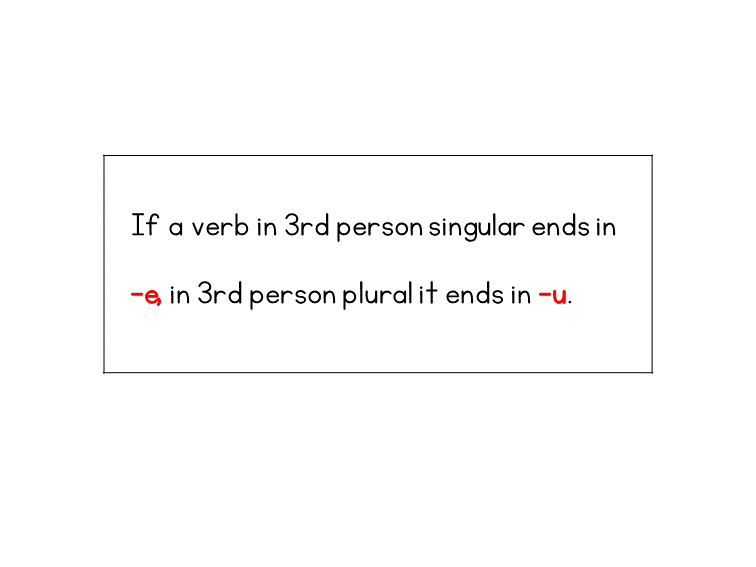
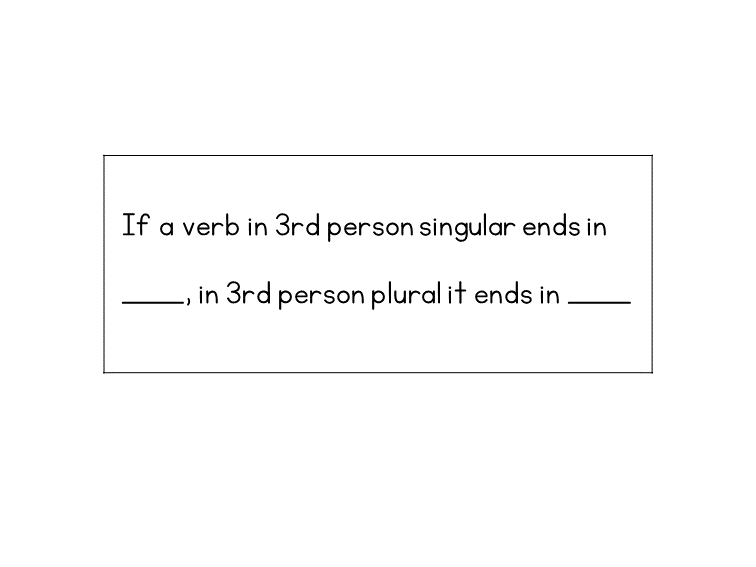
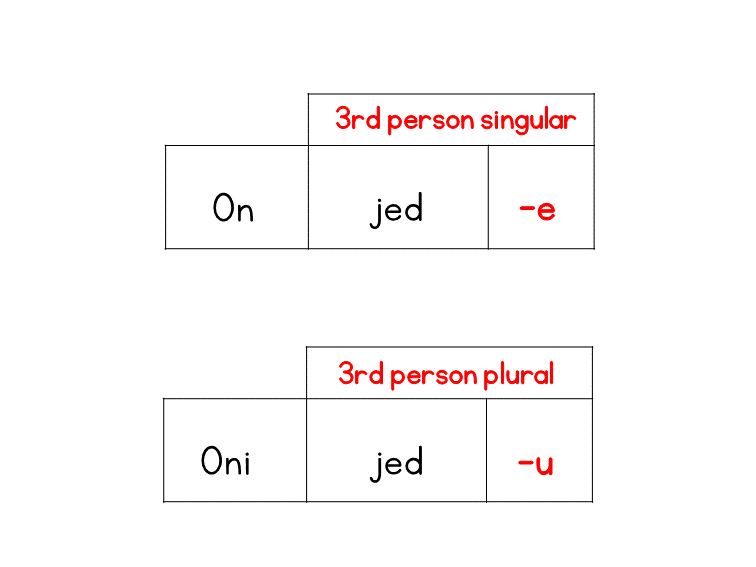
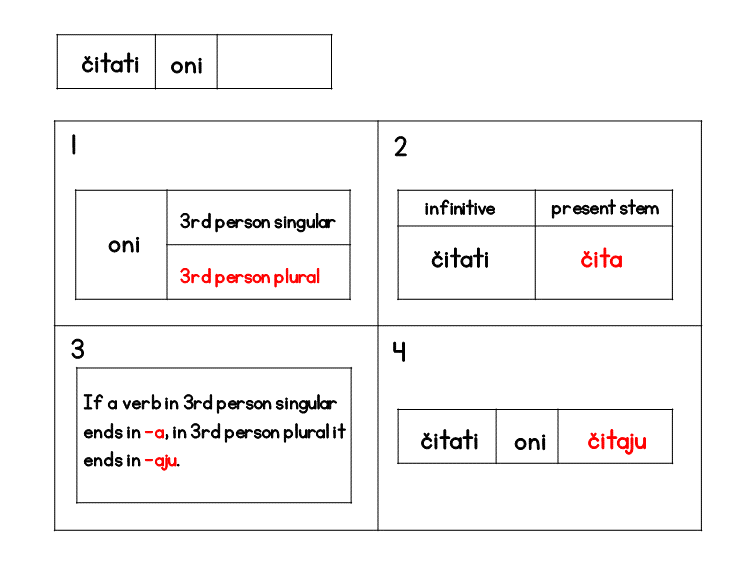
If a verb ends in -a in 3rd person singular, it ends in -aju in 3rd person plural. Would you like to see this rule in action? Just look at the image below.
Now let’s move on to the next verb group, -i verbs.
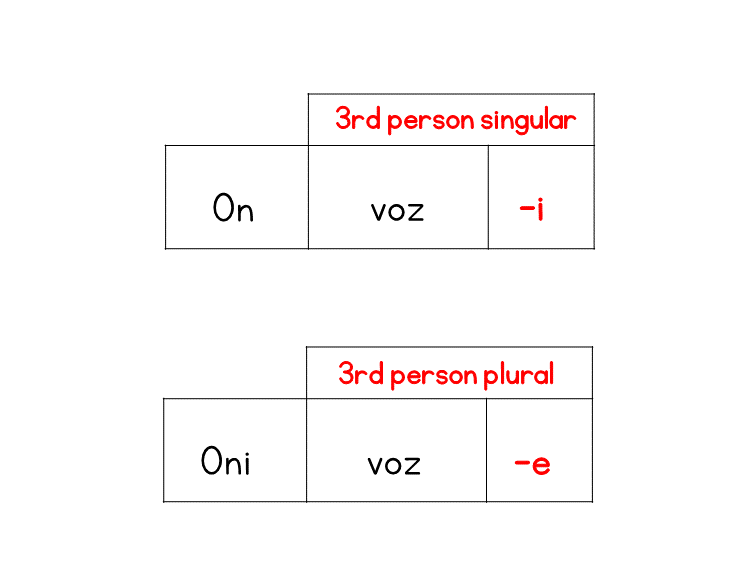
Verb group 2 (-i verbs)
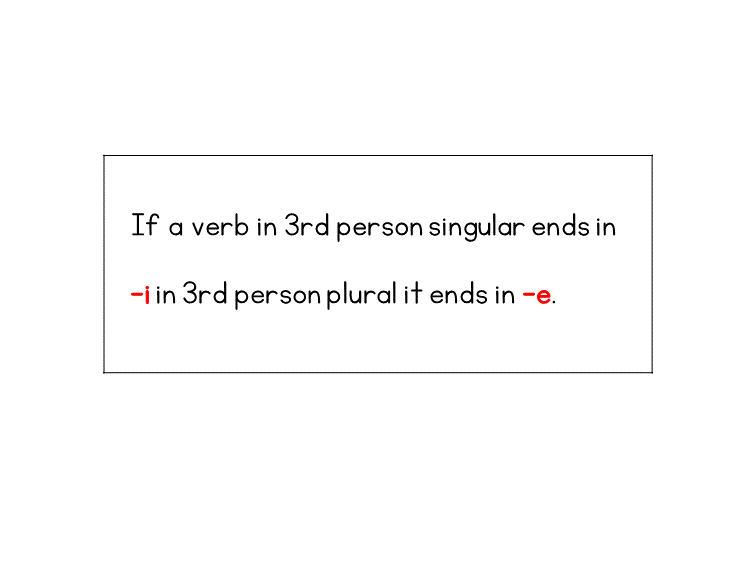
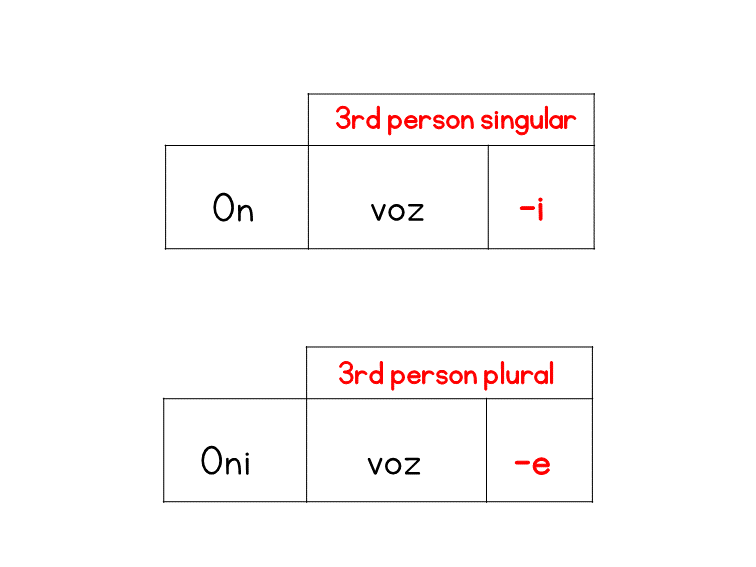
Look at the verb voziti in 3rd person singular and 3rd person plural, and complete the rule.
Verb group 3 (-e verbs)
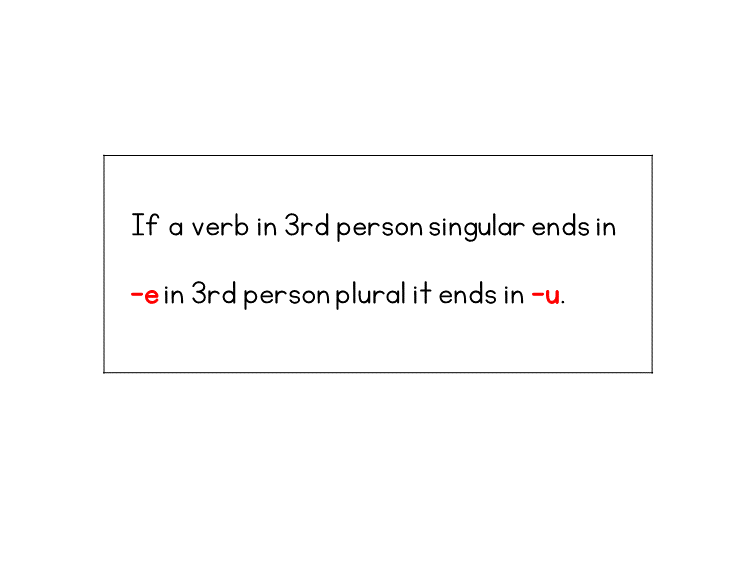
Here comes the last verb group, -e verbs.
After we introduce this verb group, we will practice and check what you have learned so far. But first, let’s read the rule and check out the example.
Before we apply the rules and practice, I encourage you to grab a pen and a piece of paper and write down the rules for all 3 verb groups, and don’t forget the examples.
What is the best way to learn the rules quickly? Just copy the tables below, and you will memorize them more easily.
Practice Serbian Present Tense Third Person Plural
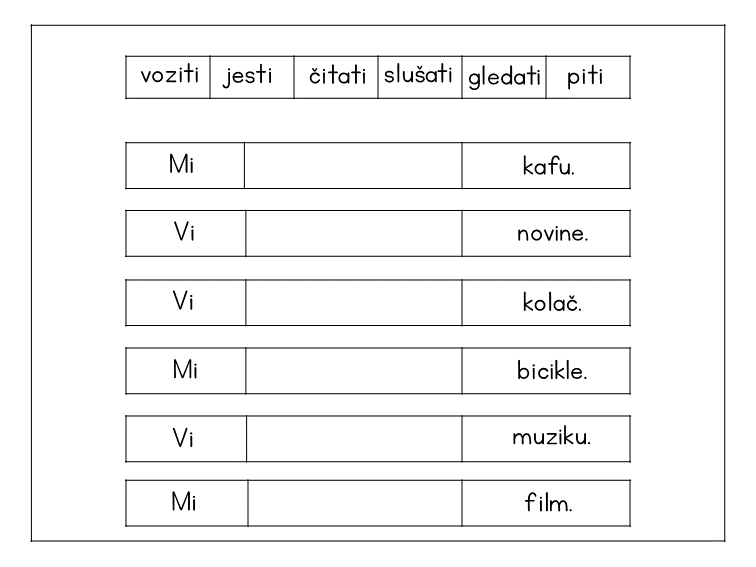
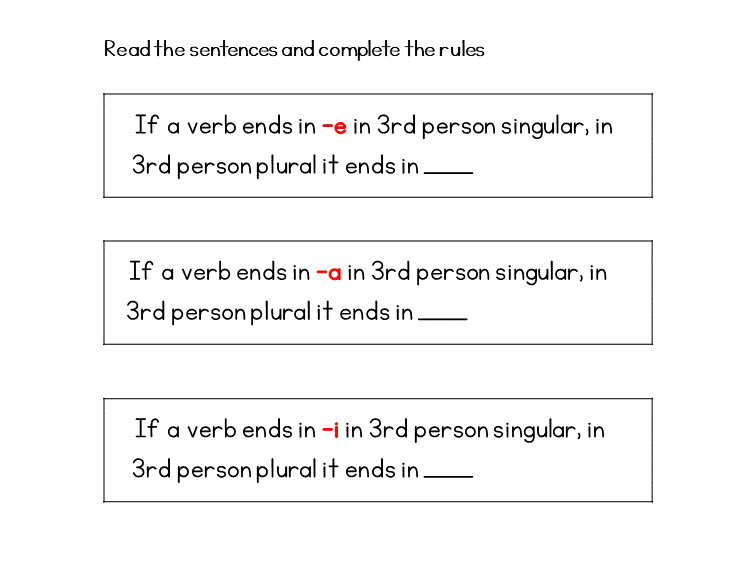
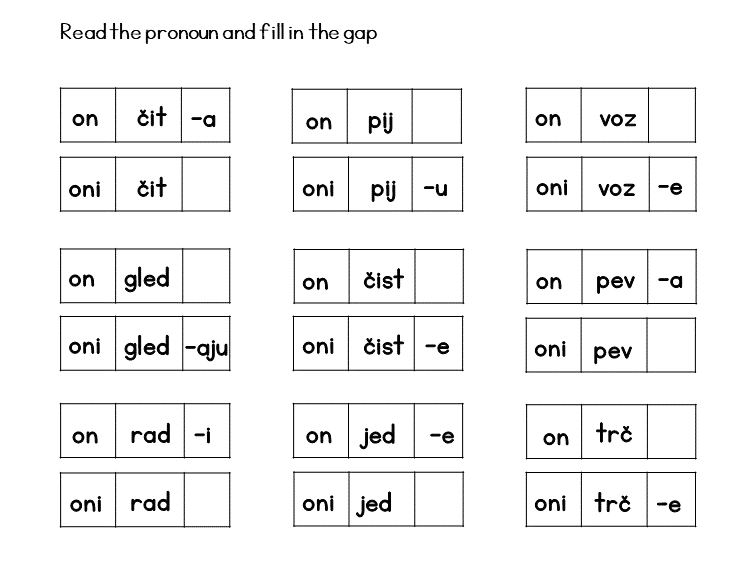
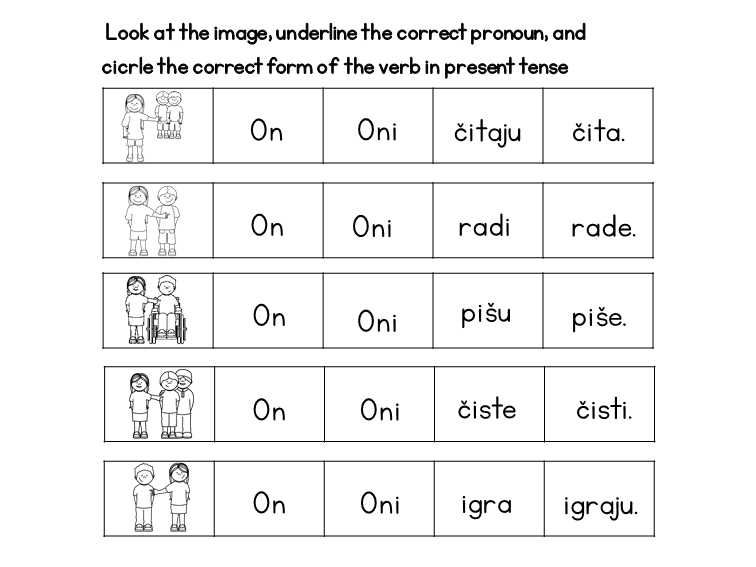
Finally, we are done with the boring part, learning the rules. I prepared 3 simple, step-by-step exercises to help you apply the rules you have learned and make sentences using the Serbian present tense third person plural.
Exercise 1
Answer key: 1. -e 2. -a 3. -i
Exercise 2
Answer key: oni čitaju, on pije, on vozi, on gleda, on čisti, oni pevaju, oni rade, oni jedu, on trči
Have you read my previous blog post about the present stem? Did you copy the most common verbs and their stems into your notebook? I’ve got some great news. Check out the rules below.
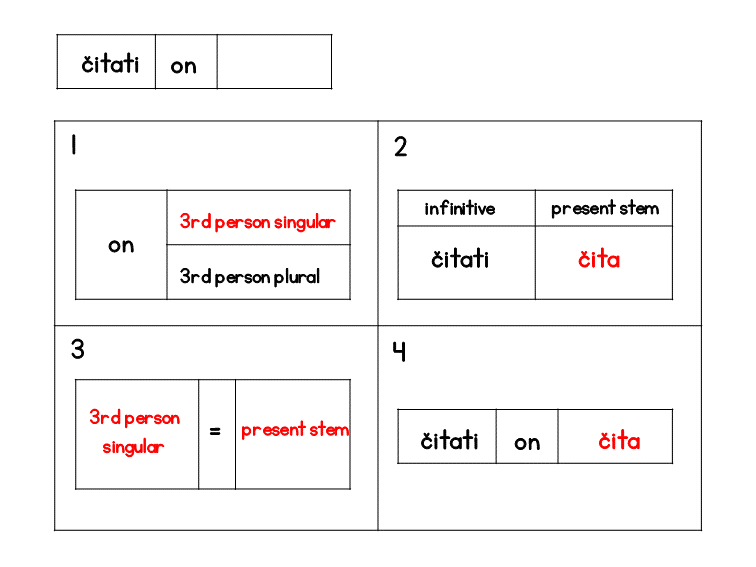
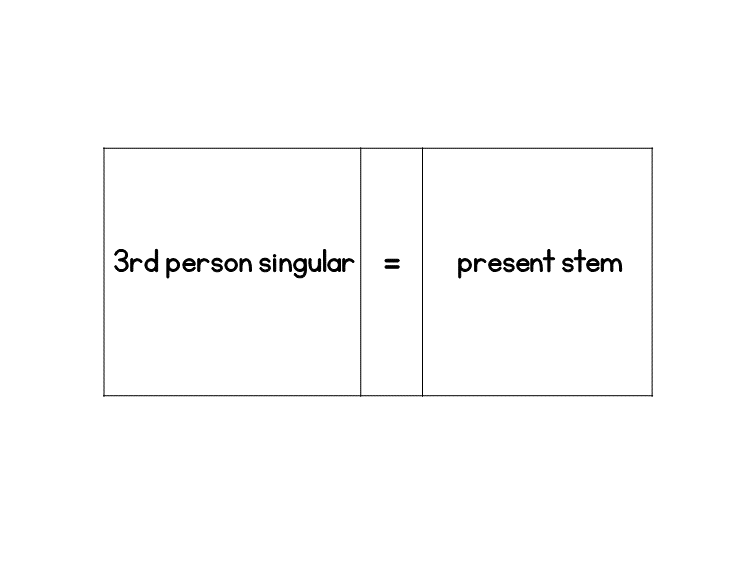
What does this mean? Well, if you have mastered the present stem, you will know how to write the verb in 3rd person singular. This means that all you have to learn for now is how the verbs end in the 3rd person plural (-aju/-e/-u). If you haven’t read the previous blog post, please do so before you start exercise 3.
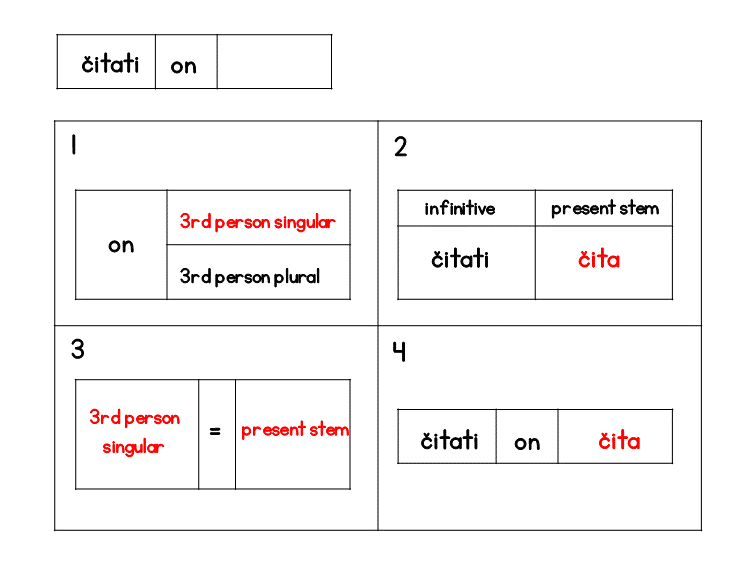
One more thing before exercise 3, check out the 4 steps for 3rd person singular and 3rd person plural.
Answer key: oni čitaju, on radi, on piše, oni čiste, on igra
Let’s review what we have learned today:
We revised all 3 verb groups
We learned the endings for 3rd person plural
We practiced
Our cake is finally ready. In my next blog post, we will add the icing and cherries on top.
Would you like to practice Serbian verb conjugation, verb groups, and the present stem? Guided, step-by-step exercises are waiting for you. Would you like to learn more? Click on the link and check out the preview.
In previous blog posts, we already covered present tense singular and plural endings, and in today’s lesson, we will focus on the Serbian present stem and 3 verb groups. Don’t worry, I will guide you every step of the way.
How do we form the Serbian present stem?
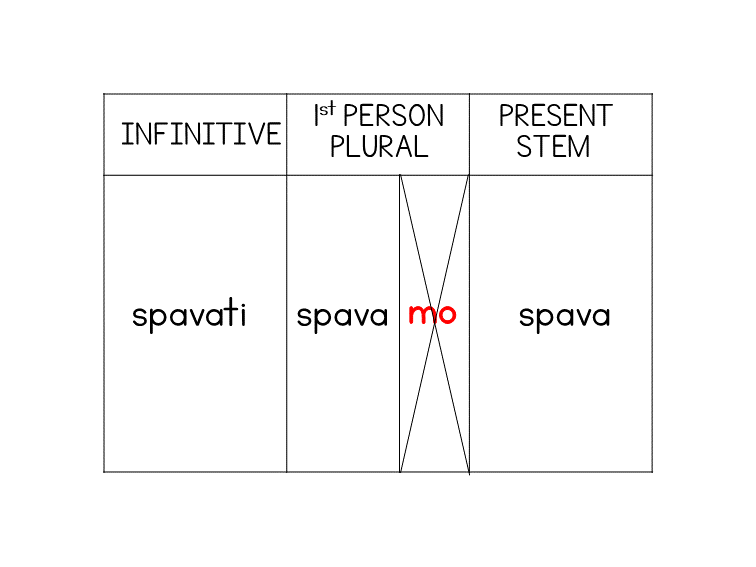
For most verbs, the Serbian present stem is formed by removing the ending -MO from the first person plural.
Please note that the present stem may sometimes change.
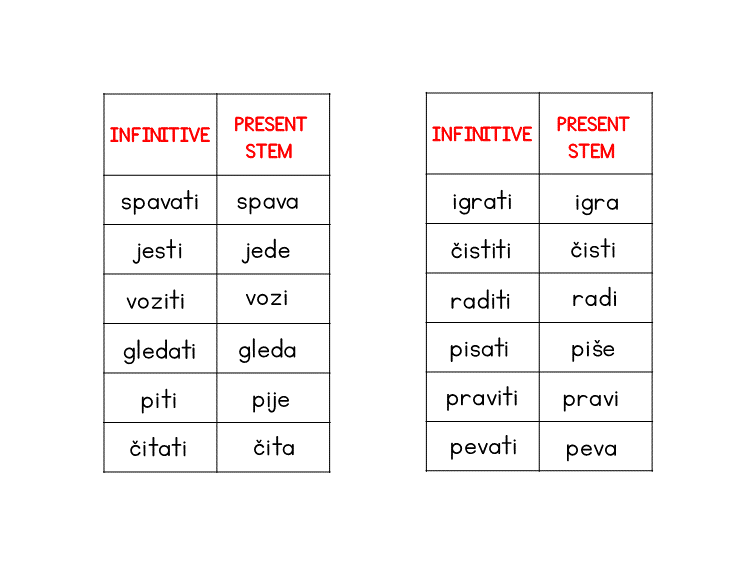
Would you like to skip this rule? Sounds great? I have a solution: make a list of the most common Serbian verbs and their present stems and try to memorize them.
Now it’s time to move on to the next piece of the puzzle- verb groups.
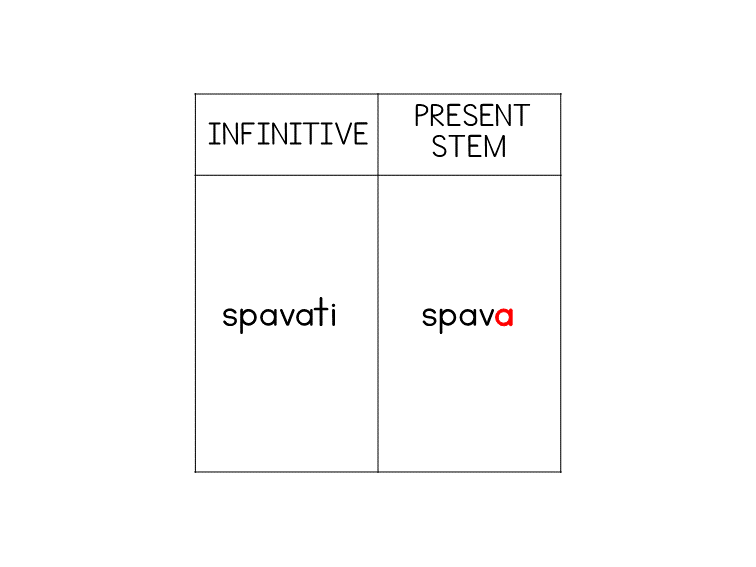
Verb group 1 (- a verbs)
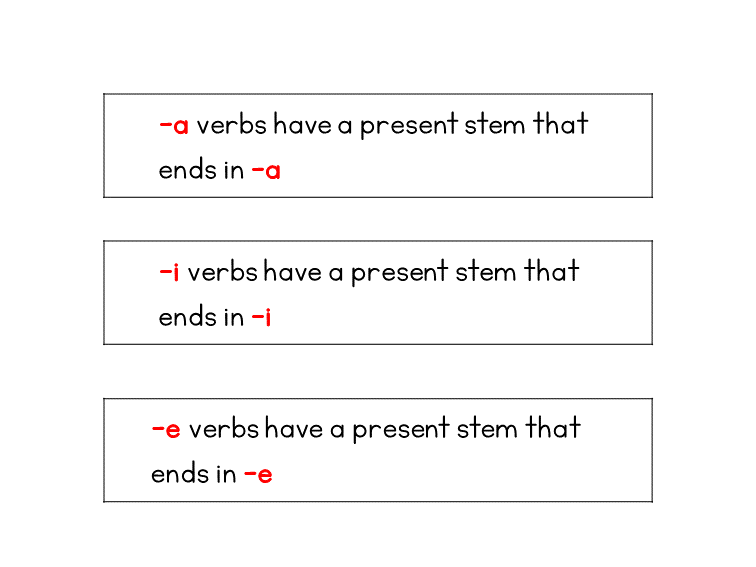
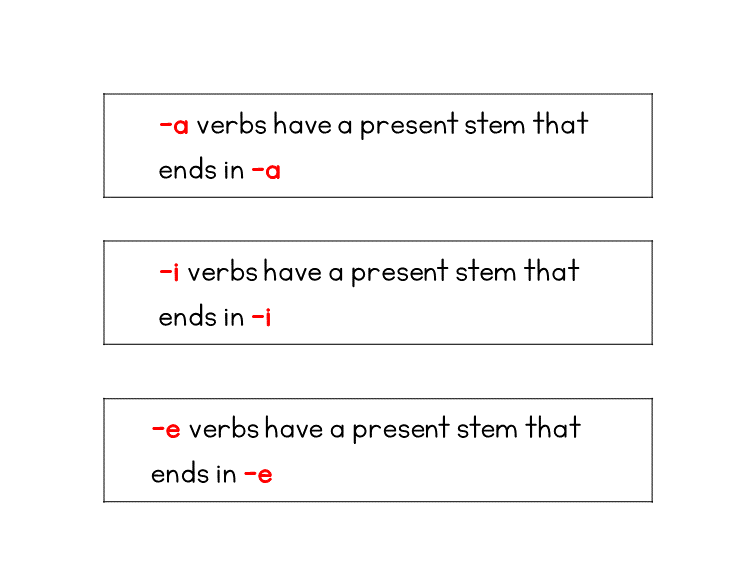
Are you wondering what –a verbs are? Verbs in this group have a present stem that ends in -a.
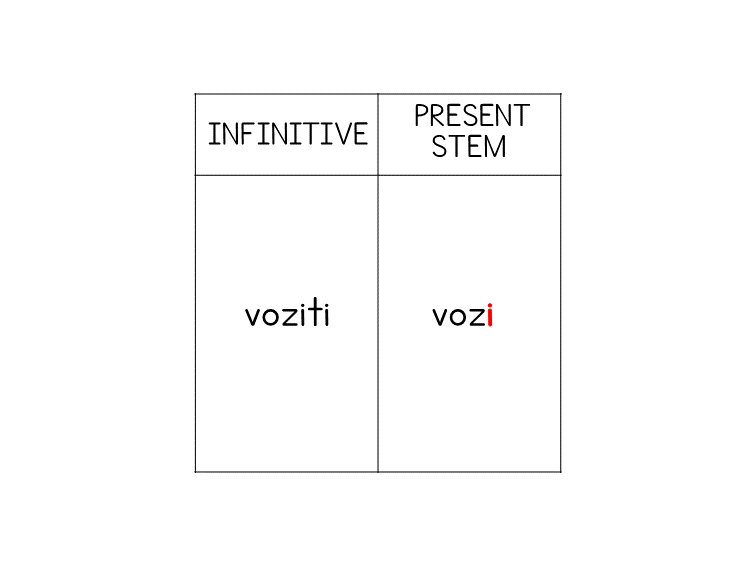
Verb group 2 (-i verbs)
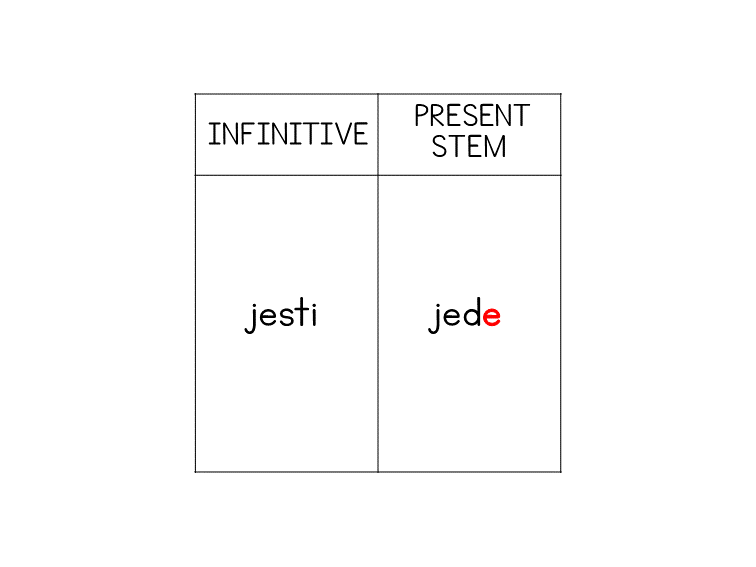
There are two more verb groups, but we will introduce them one at a time. Have you read the -averb group explanation above? Can you guess what –i verbs are? Look at the images below and try to complete the definition.
Did you write -i on the line? Well done! And the next verb group is…
Verb group 3 (-e verbs)
Verbs in this verb group have a present stem ending in -e. This verb group is tricky. Why? Well, many of these verbs have a change in the present stem. Here is one of those verbs.
What is the best way to memorize the Serbian present stems? Have you copied the list of the most common verbs and their stems? Each day, choose 5 verbs you will focus on. Read the verbs and their stems. Grab a pen and a notebook, rewrite the verbs, but not in the same order; mix them up a bit. Now try to write the correct stems.
Let’s bake the present tense cake
If you want to bake the present tense cake, learning about the verb groups is super important. Why? Don’t worry. We will talk about this more in one of my future posts.
Let’s resume what we have learned today:
How to form the present stem?
Can we skip the rule above?
What is the best way to memorize the present stems quickly?
What are -a/-i/-e verb groups?
I want this learning process to be as simple and effective as possible; this is why I think it is time to finish today’s lesson.
Before we start with today’s lesson, Serbian Present Tense Plural, I encourage you to check out my previous blog post, where you will learn the following:
When Serbian present tense is used?
How is it formed?
Singular endings and more
Now let’s go back to the topic we will cover today, the present tense plural.
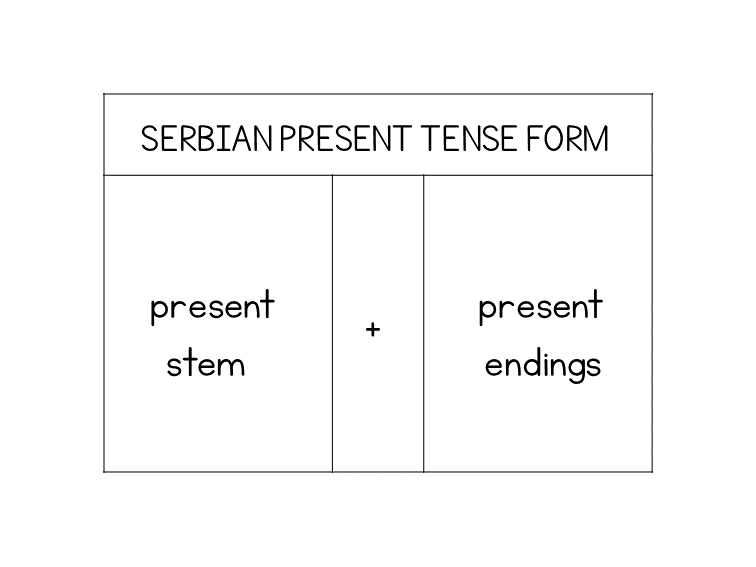
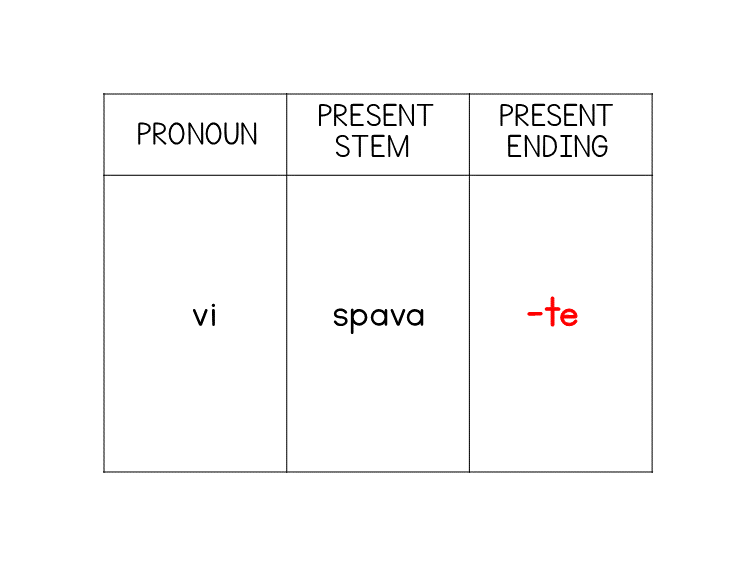
If you read the previous post, you know that the Serbian present tense is formed by adding the ending to the present stem.
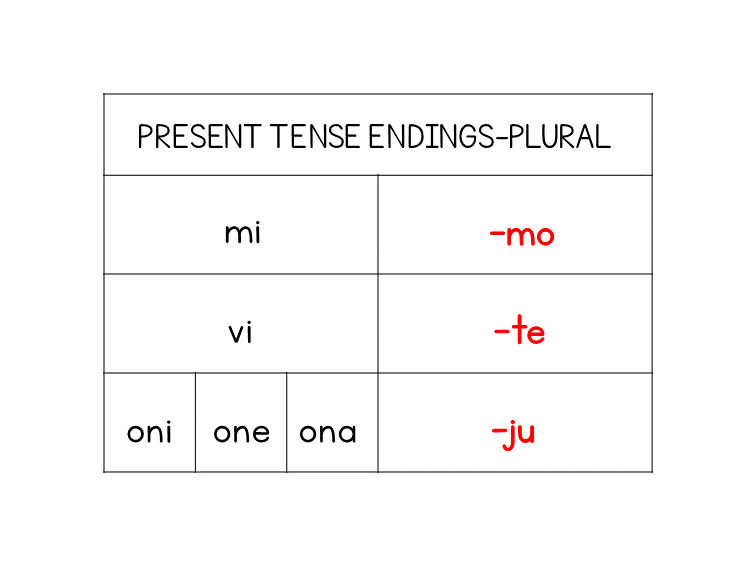
Serbian present tense plural endings
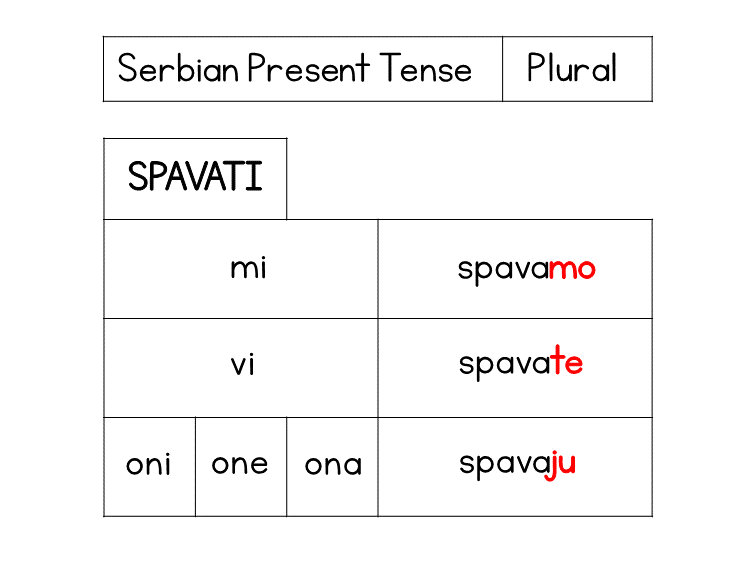
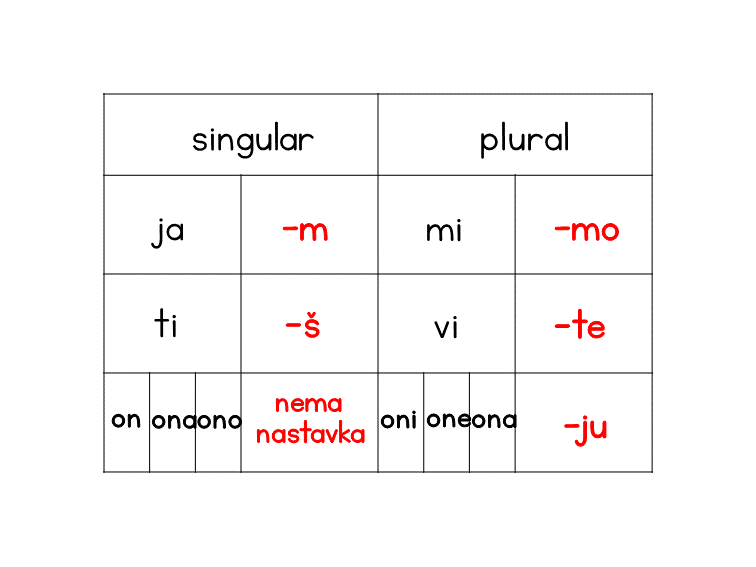
If you’ve memorized the endings for the singular form , it’s time for the next piece of the puzzle-plural endings.
Please note that in this lesson, we use verbs that follow the same pattern as SPAVATI.
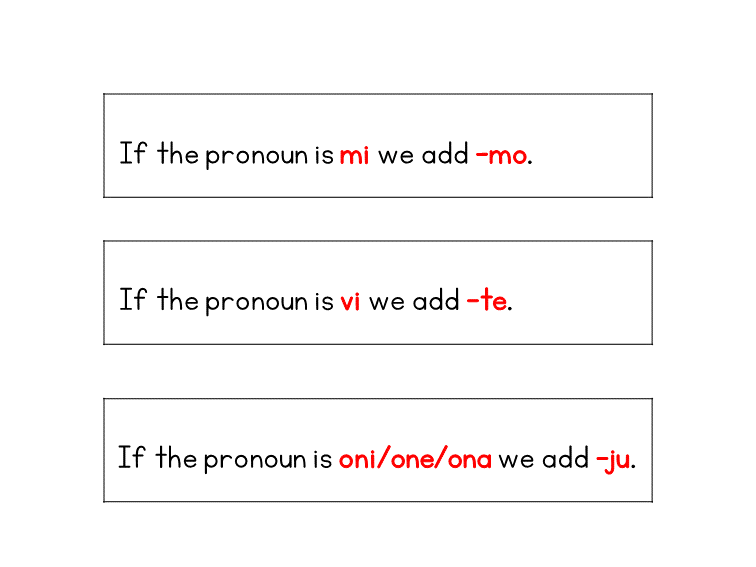
Which endings should you add? It’s simple- look at the pronoun.
I believe there is always a way to make the challenging grammar topic simple. Step-by-step learning is the key. Don’t learn all at once; instead, focus on one puzzle piece at a time.
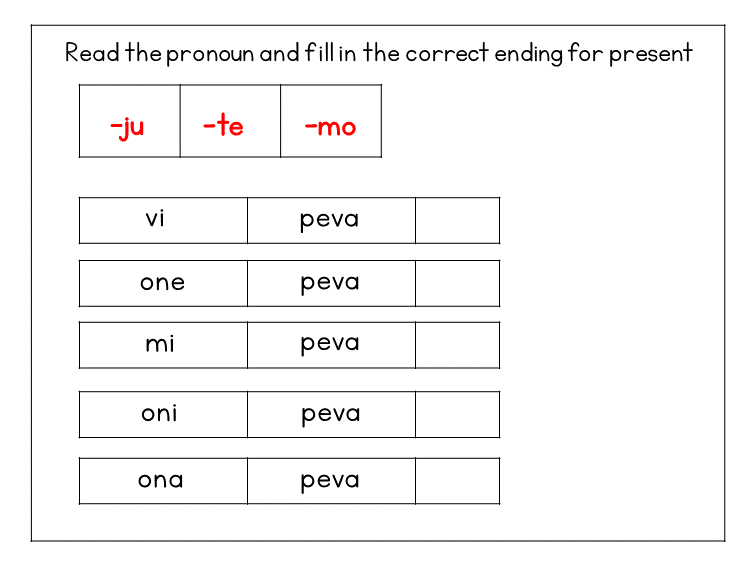
Let’s apply the rules
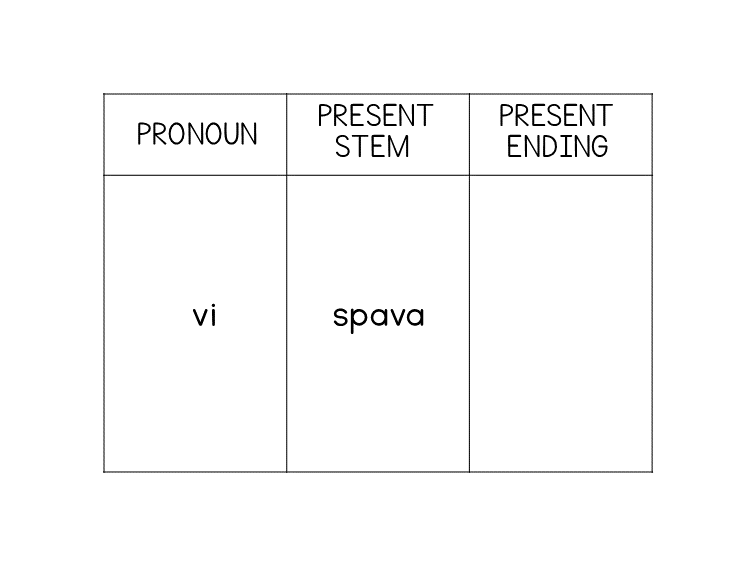
It’s time to follow two simple steps and see the rules in action.
STEP 1: Look at the pronoun
STEP 2: Take your time and fill in the correct ending
Are you ready to check the answer key? Just look at the image below.
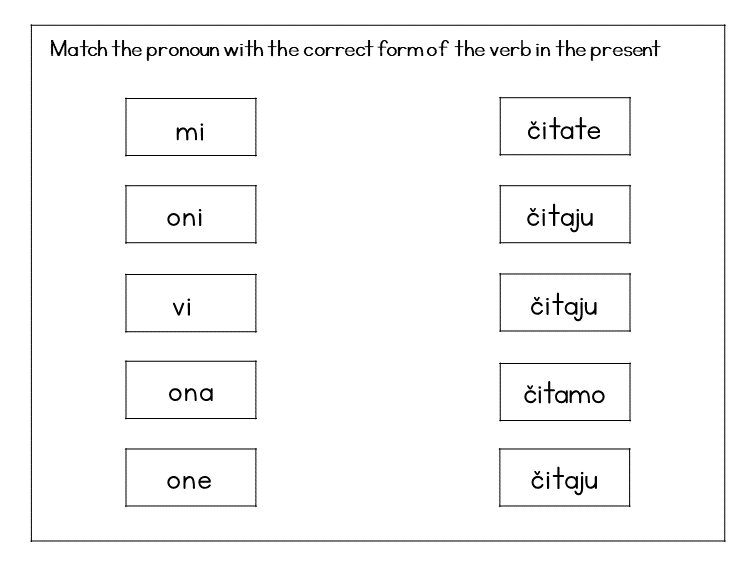
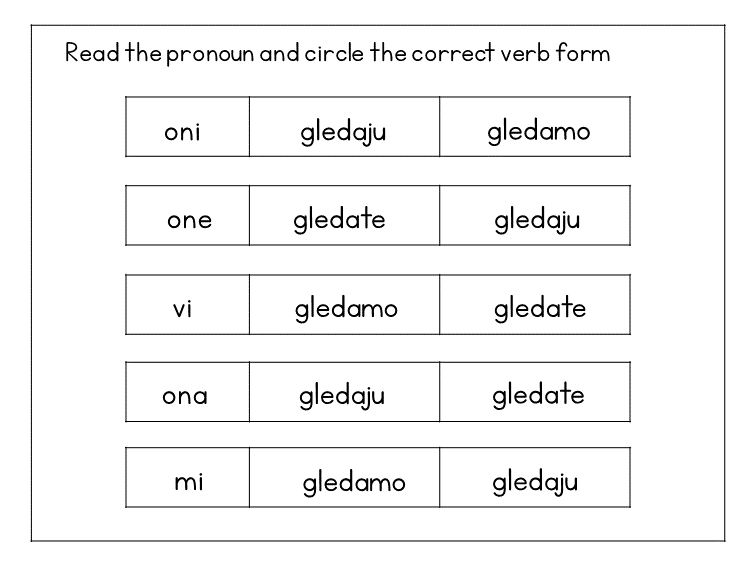
Serbian present tense plural practice
Before we introduce both singular and plural forms together, let’s check what you have learned so far. I prepared 3 simple exercises for complete beginners, and don’t worry, I will guide you every step of the way.
Answer key: vi pevate, one pevaju, mi pevamo, oni pevaju, ona pevaju
Answer key: mi čitamo, oni čitaju, vi čitate, ona čitaju, one čitaju
Answer key: oni gledaju, one gledaju, vi gledate, ona gledaju, mi gledamo
Singular and plural forms
When I am making a cake, I am always looking for detailed recipes that guide me through the entire process. Which ingredients do I need? Do I use a mixer to prepare the batter? Should I let the cake cool before adding the chocolate icing? Do I have to preheat the oven? Today we are not baking a cake-we’re just adding one more ingredient: plural forms.
Are you afraid you will end up being overwhelmed? There are seven different endings. Sometimes we don’t add the ending. I’m here for you. Today, I will share some useful tips to help you prepare the batter for your present-tense cake.
ADVICE 1
Grab two colored pens and paste the table below into your notebook.
This will help you memorize the pattern: ja -m, ti -š, etc.
ADVICE 2
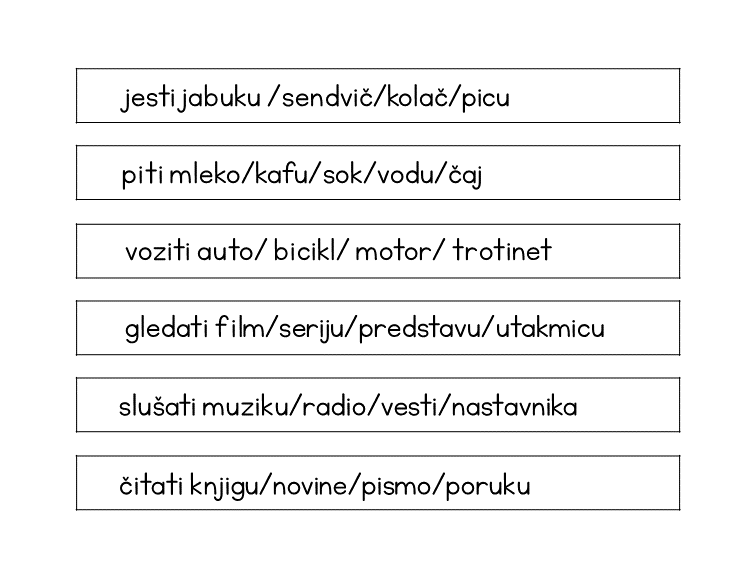
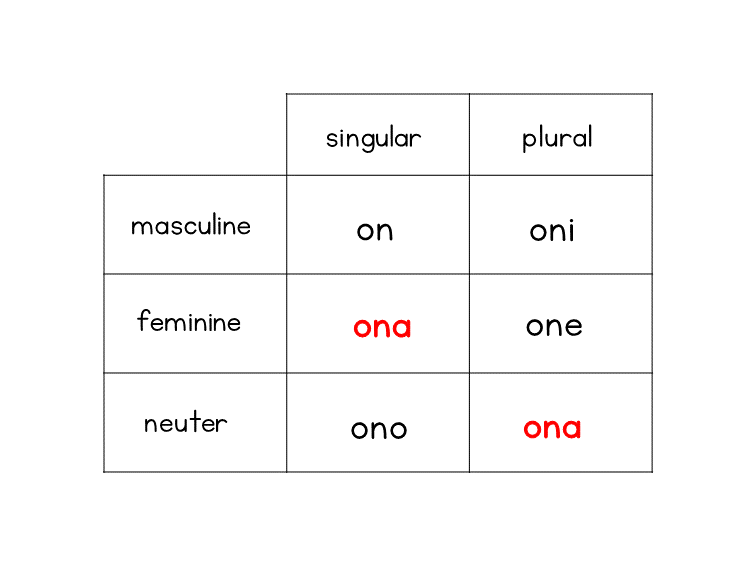
It’s time to make your own sentences using the present tense. Check out the image below, and you will find a list of verbs and their present stems you should use. Look around you and make sentences about what your family members and friends are doing. Before you start let’s go through the pronouns for 3rd person singular and 3rd person plural.
Please note that we use ona for 3rd person singular (feminine) and for 3rd person plural (neuter).
The Serbian present tense is difficult. I’ve heard this so many times. And let’s be honest- it can be challenging. But here’s some great news. It doesn’t have to be. The key is not to try to memorize all at once.
I still remember the time I started learning English. So if you feel overwhelmed, I feel you because I’ve been there. If you start learning the Serbian present tense and try to memorize all verb groups, singular and plural endings, and how to form the present stem you will feel lost.
Instead, focus on only one small step at a time. Today, we will learn only the Serbian present tense singular forms
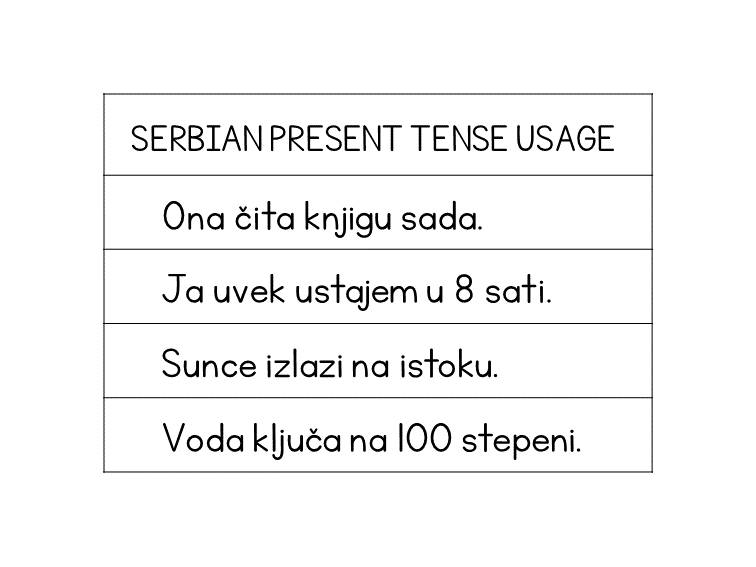
When do we use the Serbian present tense?
We use it for:
actions happening now
regular activities
facts
general truths
How do we form the Serbian present tense?
It’s simple. We add the endings to the present stem.
Serbian present tense singular endings
It’s time to learn the singular endings. Let’s dive in.
If you look at the chart below, you will notice that in the 3rd person singular, there is no ending. Great news! Right? All you have to memorize for now is the ending for 1st person singular (-m) and 2nd person singular (-š).
Let’s apply the rules
Just a quick tip before we move on to applying the rules step: grab a pencil and a piece of paper, take notes from the blog, and write down the rules. This way, you will revise the rules and be ready for the next step.
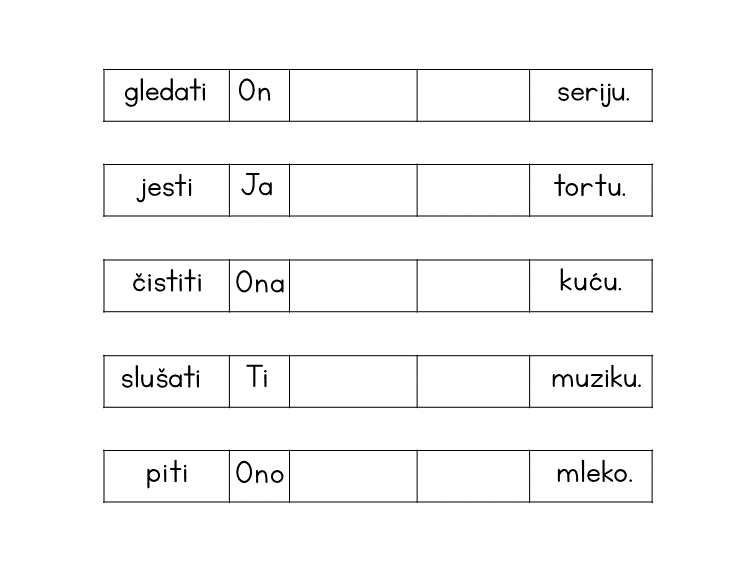
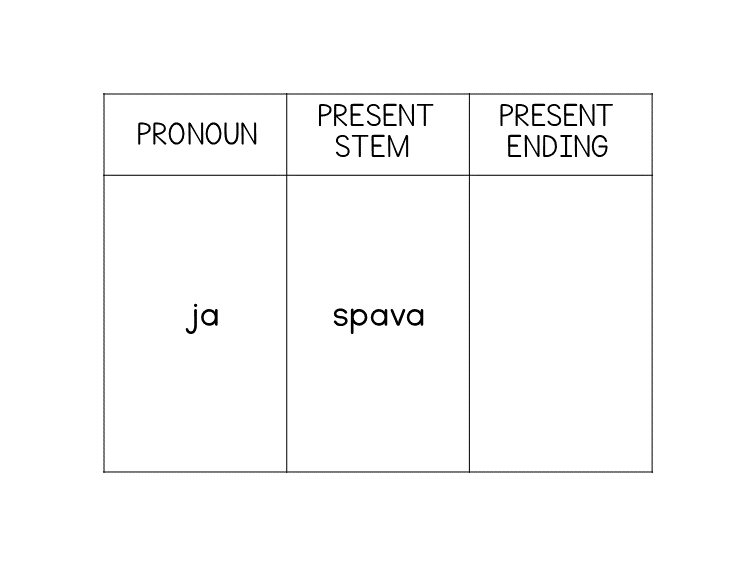
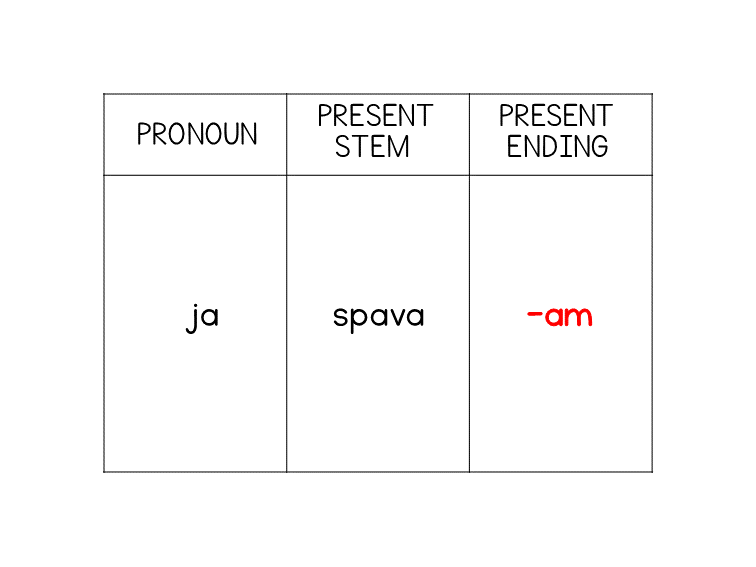
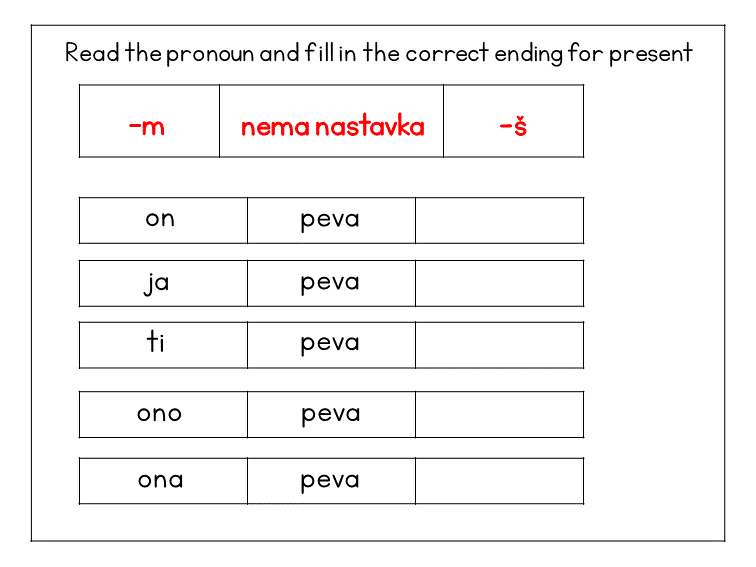
Look at the image below and pay attention to the pronoun. Now, try to fill in the correct ending without looking at the rules or the answer key below.
Did you fill in the correct ending? Great job!
Practice makes perfect
Now that we are done with the boring part, it’s time for the final piece of the puzzle. Let’s practice and check what you’ve learned so far. As I mentioned before, my experience with learning English shaped the way I teach Serbian today. I always try to make the exercises as simple as possible. With this in mind, I designed 3 simple step-by-step exercises for complete beginners.
Answer key: on peva, ja pevam, ti pevaš, ono peva, ona peva
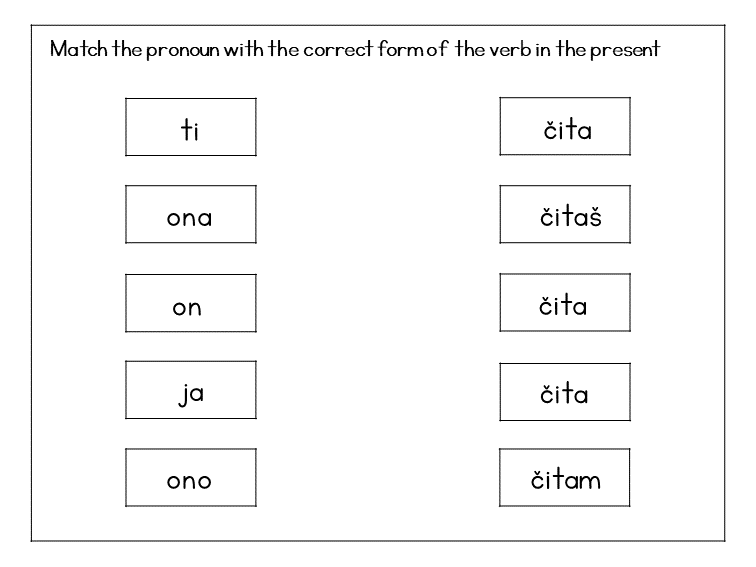
Answer key: ti čitaš, ona čita, on čita, ja čitam, ono čita
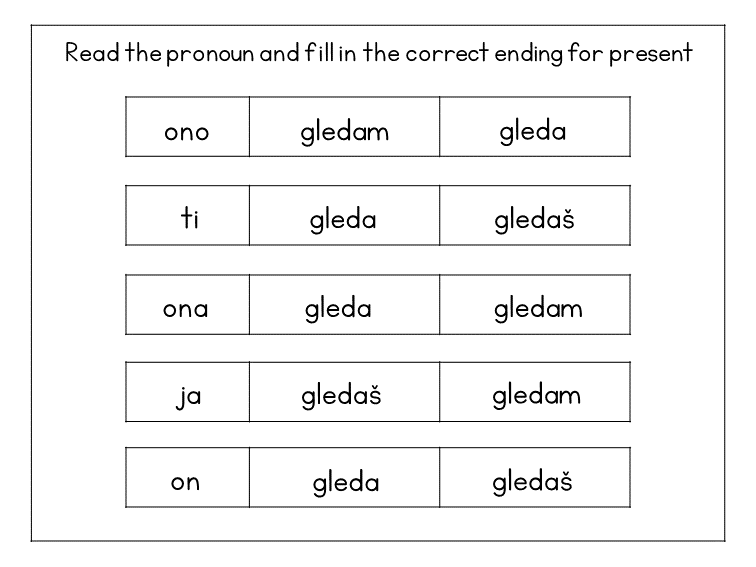
Answer key: ono gleda, ti gledaš, ona gleda, ja gledam, on gleda
Have you made some mistakes? Don’t stress about it. We are here to learn. And the best way to learn is by making mistakes. Grab a red pen and circle the mistakes. This way, you will memorize what you did wrong and avoid making the same mistakes again.
Most Serbian language learners would like to skip the boring grammar and go straight to speaking. The truth is the present tense is a great place to start if you wish to make your first setences in Serbian.
Let’s check what we learned today
The usage
The form
The singular endings
Practice
The Serbian grammar doesn’t seem challenging after all? If all puzzle pieces fit perfectly, I have something for you. 3 simple step-by-step exercises to help you revise and practice what you’ve learned today. A perfect cherry on the top? Don’t you think so?
Grab your free worksheet today, and I promise a new Serbian present tense post is just around the corner.